How to Stop a Heart Attack in 30 Seconds: Myth, Facts, and Life-Saving Actions
The phrase “how to stop a heart attack in 30 seconds” is widely searched online, but it often creates confusion. Many people hope there is a quick trick, home remedy, or instant technique that can completely stop a heart attack within half a minute. Unfortunately, a real heart attack cannot be stopped in 30 seconds. A heart attack is a serious medical emergency that requires immediate professional treatment.
What you can do in the first few seconds and minutes, however, may significantly improve the chances of survival and reduce damage to the heart. Understanding the warning signs, knowing the correct emergency steps, and avoiding dangerous myths can save lives.
This guide explains what a heart attack is, whether it can be stopped in 30 seconds, and what actions should be taken immediately when symptoms appear.
What Is a Heart Attack?
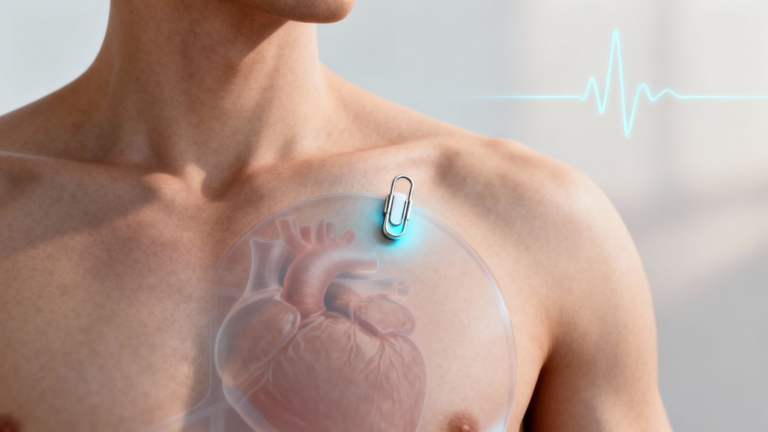
A heart attack, also known as a myocardial infarction, occurs when blood flow to part of the heart muscle becomes blocked. This blockage is usually caused by a blood clot that forms in a narrowed coronary artery.
The heart requires a continuous supply of oxygen-rich blood. When blood flow is interrupted, heart muscle cells begin to die. The longer the blockage remains untreated, the greater the damage to the heart.
Because of this, every minute matters during a heart attack. Quick medical intervention is essential for preserving heart function and increasing survival rates.
Can You Really Stop a Heart Attack in 30 Seconds?
The simple answer is no.
There is currently no medically proven method that can completely stop a heart attack within 30 seconds. Claims suggesting that coughing repeatedly, drinking water, applying pressure to certain body parts, or using home remedies can instantly stop a heart attack are not supported by scientific evidence.
However, the first 30 seconds are extremely important because they are often the moment when a person recognizes symptoms and decides to seek help. Fast action can lead to quicker treatment and a better outcome.
The goal is not to stop the heart attack yourself but to get emergency medical assistance as quickly as possible.
Early Warning Signs of a Heart Attack
Recognizing symptoms early is one of the most effective ways to reduce the risk of severe complications.
Common symptoms include:
Chest Pain or Pressure
Many people describe heart attack pain as a squeezing, crushing, or heavy sensation in the center of the chest. The discomfort may last several minutes or come and go.
Pain in Other Areas
Pain may spread to:
- Left arm
- Right arm
- Shoulders
- Neck
- Jaw
- Upper back
Shortness of Breath
Breathing difficulties can occur before or during chest pain.
Cold Sweats
Sudden sweating without physical exertion is a common warning sign.
Nausea or Vomiting
Some individuals experience stomach discomfort, nausea, or vomiting.
Dizziness
Lightheadedness or feeling faint can occur due to reduced blood flow.
Unusual Fatigue
Many people, especially women, report unusual tiredness before a heart attack.
What to Do Immediately When Symptoms Start
If you suspect a heart attack, every second counts.
Call Emergency Services
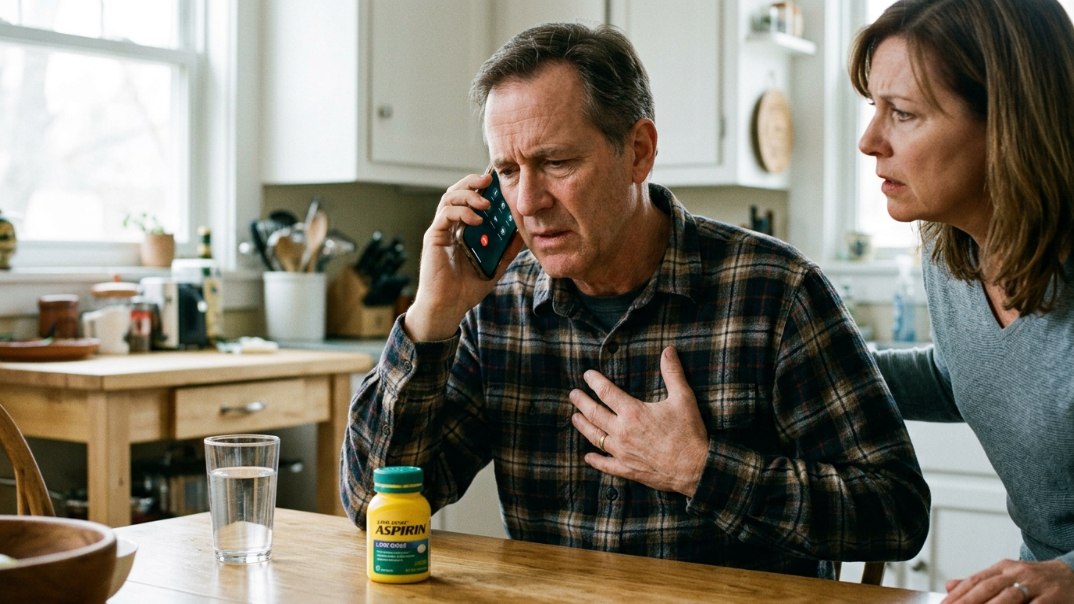
The first and most important action is to call emergency medical services immediately. Do not wait to see whether symptoms improve.
Many people delay treatment because they hope the pain will disappear. This delay can increase heart damage and reduce survival chances.
Sit Down and Stay Calm
Try to remain seated or lie down in a comfortable position. Physical activity forces the heart to work harder and may worsen the condition.
Loosen Tight Clothing
Removing tight clothing around the chest and neck may help make breathing easier.
Take Prescribed Heart Medication
If a doctor has prescribed nitroglycerin for heart-related conditions, take it exactly as directed.
Chew Aspirin If Appropriate
Aspirin can help reduce blood clot formation. However, it should only be taken if there is no allergy, bleeding disorder, or medical reason preventing its use.
Unlock the Door
If you are alone, unlocking the front door can help emergency responders reach you quickly.
The Truth About “Cough CPR”
One of the most common internet myths involves something called “cough CPR.”
According to the myth, coughing repeatedly and forcefully can stop a heart attack.
This claim is misleading.
Cough CPR is not a treatment for a heart attack and should not be relied upon by the general public. In certain rare hospital situations under continuous heart monitoring, medical professionals may use specialized techniques, but this is very different from what is commonly shared online.
For someone experiencing a suspected heart attack at home, the correct action is to seek emergency medical assistance immediately.
Why Immediate Medical Treatment Matters
Modern treatments can significantly reduce heart damage when administered quickly.
Doctors may use:
Clot-Busting Medications
These drugs help dissolve blood clots that block blood flow.
Angioplasty
A catheter is inserted into the blocked artery to restore blood flow.
Stent Placement
A small metal mesh tube called a stent helps keep the artery open.
Oxygen Therapy
Patients with low oxygen levels may receive supplemental oxygen.
Advanced Monitoring
Medical teams monitor heart rhythm and vital signs to detect complications.
The sooner treatment begins, the better the chances of recovery.
Risk Factors That Increase Heart Attack Chances
Understanding risk factors can help prevent future heart problems.
High Blood Pressure
Elevated blood pressure damages arteries over time.
High Cholesterol
Excess cholesterol can lead to plaque buildup in coronary arteries.
Smoking
Smoking significantly increases heart disease risk.
Diabetes
High blood sugar damages blood vessels and nerves.
Obesity
Excess weight places additional strain on the cardiovascular system.
Physical Inactivity
Regular exercise supports heart health and circulation.
Stress
Chronic stress may contribute to heart disease and unhealthy habits.
Family History
A family history of heart disease can increase personal risk.
Heart Attack Symptoms in Women
Women often experience symptoms that differ from the classic chest pain seen in men.
These may include:
- Extreme fatigue
- Nausea
- Jaw pain
- Back pain
- Dizziness
- Shortness of breath
- Sleep disturbances
Because symptoms can be less obvious, women sometimes delay seeking treatment.
Heart Attack Symptoms in Older Adults
Older adults may experience:
- Confusion
- Weakness
- Fainting
- Shortness of breath
- Mild chest discomfort
Even mild symptoms should be treated seriously.
What Happens During the First Hour?
Medical experts often refer to the first hour after symptoms begin as the “golden hour.”
During this period:
- Heart muscle damage begins.
- Emergency treatment is most effective.
- Survival rates are highest when care is received quickly.
- Serious complications may be prevented.
Acting quickly during this window can make a life-saving difference.
How to Help Someone Having a Heart Attack
If another person is showing signs of a heart attack:
Call Emergency Services
Do not wait for symptoms to disappear.
Keep the Person Calm
Encourage them to sit and rest.
Help With Medication
Assist with prescribed medication if available.
Monitor Their Condition
Stay with them until medical help arrives.
Prepare for CPR
If the person becomes unconscious and stops breathing, begin CPR if trained to do so.
Heart Attack Prevention Tips
While you cannot instantly stop a heart attack in 30 seconds, you can reduce your future risk through healthy lifestyle choices.
Eat a Heart-Healthy Diet
Focus on:
- Fruits
- Vegetables
- Whole grains
- Lean proteins
- Healthy fats
Exercise Regularly
Aim for at least 150 minutes of moderate physical activity each week.
Stop Smoking
Quitting smoking significantly lowers cardiovascular risk.
Control Blood Pressure
Regular monitoring helps prevent complications.
Manage Cholesterol
Healthy eating and medications may help maintain safe cholesterol levels.
Maintain a Healthy Weight
Weight management reduces strain on the heart.
Manage Stress
Relaxation techniques, sleep, and exercise can improve overall heart health.
Get Regular Checkups
Routine medical evaluations help detect risk factors early.
Common Myths About Heart Attacks
Myth 1: Heart Attacks Only Affect Older People
Heart attacks can occur in younger adults as well.
Myth 2: Chest Pain Is Always Severe
Some heart attacks cause only mild discomfort.
Myth 3: You Can Wait for Symptoms to Go Away
Delaying treatment can be dangerous.
Myth 4: Home Remedies Can Stop a Heart Attack
No home remedy can replace emergency medical care.
Myth 5: Only Men Have Heart Attacks
Heart disease is also a leading cause of death among women.
Conclusion
The idea that you can completely stop a heart attack in 30 seconds is a myth. A heart attack is a serious medical emergency that requires immediate professional treatment. The most important action during those first critical seconds is recognizing symptoms and calling emergency services without delay.
Quick response, proper medical care, and awareness of warning signs can dramatically improve survival and recovery. Rather than searching for instant fixes, focus on prevention, early recognition, and immediate action when symptoms appear. Understanding the facts about heart attacks can help protect both your health and the lives of those around you.
FAQs
Can a heart attack be stopped in 30 seconds?
No. There is no medically proven way to completely stop a heart attack in 30 seconds.
What is the first thing to do during a heart attack?
Call emergency medical services immediately and seek professional treatment.
Does coughing stop a heart attack?
No. Coughing is not a proven treatment for a heart attack.
Can aspirin help during a heart attack?
Aspirin may help reduce clot formation in some situations, but it should only be taken when appropriate and safe for the individual.
What are the most common heart attack symptoms?
Chest pain, shortness of breath, sweating, nausea, dizziness, and pain spreading to the arms, neck, jaw, or back.
Can young people have heart attacks?
Yes. Although risk increases with age, younger adults can also experience heart attacks.