Folic Acid and Pregnancy Vitamins: The Ultimate Evidence-Based Guide to Prenatal Supplementation
Choosing the right prenatal regimen can feel overwhelming when balancing multiple nutritional needs. Among the sea of available supplements, understanding the relationship between folic acid and pregnancy vitamins is arguably the most critical step you can take for your developing baby.
Folic acid (vitamin B9) is universally recognized by medical professionals as the cornerstone of early prenatal care. It is not just another item on a healthy checklist; it is a vital shield that protects a developing embryo from severe structural complications during the first few weeks of life.
This comprehensive guide breaks down the biological science, critical vitamin combinations, and medical guidelines behind prenatal health to help you make informed choices.
Folic acid is a fundamental pillar of prenatal care.. Source: ribkhan / Getty Images
Folic Acid and Pregnancy Vitamins: Why This Combination Matters Most
When looking at folic acid and pregnancy vitamins, it is essential to understand that they operate as a synergistic team. Folic acid is the synthetic, highly stable form of folate (vitamin B9). While you can obtain natural folates from leafy green vegetables, citrus fruits, and legumes, the human body absorbs synthetic folic acid far more efficiently.
Pregnancy multivitamins are specifically formulated to support this absorption while addressing other common nutritional gaps. Together, they ensure that the rapidly dividing cells of an embryo have the raw materials required to construct healthy organs and tissues.
Folic Acid and Prenatal Vitamins During Pregnancy: Crucial Protective Mechanisms
The main reason medical providers emphasize folic acid and prenatal vitamins during pregnancy is the prevention of Neural Tube Defects (NTDs). The neural tube is the embryonic structure that eventually develops into the baby’s brain and spinal cord.
During the first 28 days of pregnancy—often before a woman even realizes she is pregnant—the neural tube must fold and close completely. If this process fails due to insufficient folate levels, it can result in life-altering conditions such as:
- Spina Bifida: A condition where the spinal cord fails to develop or close properly, leading to physical disabilities.
- Anencephaly: A severe, fatal condition where major portions of the brain and skull do not develop.
Daily supplementation of folic acid reduces the occurrence of these defects by up to 70%.
Vitamins and Folic Acid for Pregnancy: Recommended Daily Allowances
Establishing the right dosage of vitamins and folic acid for pregnancy depends on your current stage of reproductive health. For most individuals, the standard guidelines recommended by health organizations are:
| Population Group | Recommended Daily Folic Acid Dosage | Primary Objective |
|---|---|---|
| All individuals of childbearing age | 400 micrograms (mcg) | General protection against unplanned pregnancies |
| Pregnant individuals (first trimester) | 600 mcg | Rapid embryonic cell division and neural tube closure |
| Lactating individuals | 500 mcg | Supporting infant growth and maternal recovery |
| High-risk individuals (history of NTDs) | 4,000 mcg (4 mg) | Prescribed medical intervention |
Folate-rich whole foods complement prenatal supplements.. Source: OvochevaZhanna / Getty Images
Prenatal Vitamins and Folic Acid Before Pregnancy: Preparing Your Body
Starting prenatal vitamins and folic acid before pregnancy is highly recommended because of how early the neural tube closes. Waiting until you have a positive pregnancy test (usually around week 5 or 6) means you may have already passed the critical window for neural tube development.
By taking a daily supplement at least one to three months before actively trying to conceive, you build up a healthy reserve of folate in your red blood cells and tissues, ensuring optimal protection from day one.
ACOG Prenatal Vitamins Folic Acid Before and During Pregnancy: Clinical Standards
According to the ACOG prenatal vitamins folic acid before and during pregnancy guidelines, the American College of Obstetricians and Gynecologists strongly advises all individuals capable of becoming pregnant to consume 400 mcg of folic acid daily.
ACOG highlights that because about half of all pregnancies are unplanned, maintaining baseline folic acid levels is a critical public health strategy to prevent birth defects. Once pregnancy is confirmed, ACOG advises transitioning to a comprehensive prenatal multivitamin containing at least 600 mcg of folic acid.
Folic Acid and Vitamin Intake During Pregnancy: Assessing Your Dietary Habits
While supplements are necessary, your overall folic acid and vitamin intake during pregnancy should still include a nutrient-dense diet. Fortified foods play a major role in modern nutrition. In many countries, grain products like flour, pasta, and cereals are enriched with folic acid.
[Maternal Dietary Folate] + [Daily Prenatal Supplement] = Comprehensive Nutrient Defense
Combining fortified foods, natural folate sources (like spinach, asparagus, and avocado), and your daily prenatal vitamin ensures you maintain consistent blood levels of this vital nutrient.
Folic Acid and Vitamins During Pregnancy: Avoiding Toxic Overdosing
When balancing folic acid and vitamins during pregnancy, more is not always better. While folic acid is water-soluble (meaning your body excretes excess amounts in your urine), very high doses can mask a vitamin B12 deficiency.
Furthermore, fat-soluble vitamins (such as vitamins A, D, E, and K) accumulate in body tissues and can be harmful to the fetus in excessive amounts. Always check your prenatal labels to make sure you are not duplicating nutrients across multiple individual supplements unless explicitly instructed by your doctor.
Folic Acid and Vitamin B Complex in Pregnancy: Complete Cellular Support
The relationship between folic acid and vitamin b complex in pregnancy is essential for maintaining your energy levels and supporting fetal growth. The B-complex family consists of eight distinct vitamins that work collectively to regulate metabolism, build red blood cells, and construct DNA.
Using a prenatal that pairs folic acid with a complete B-complex helps prevent pregnancy-related fatigue and supports the rapid expansion of maternal blood volume, which increases by almost 50% during gestation.
Folic Acid and Vitamin B Pregnancy: Managing Maternal Energy Levels
Healthy systemic levels of folic acid and vitamin b pregnancy nutrients help combat the intense physical exhaustion commonly experienced in the first and third trimesters.
Vitamins like B6 (pyridoxine) are also frequently recommended to help reduce the severity of morning sickness. Ensuring your prenatal multivitamin contains balanced B vitamins protects your cellular health while keeping your daily energy levels stable.
Folic Acid and Vitamin B12 in Pregnancy: Preventing Megaloblastic Anemia
Pairing folic acid and vitamin b12 in pregnancy is a critical biological necessity. Vitamin B12 (cobalamin) works directly with folate to synthesize DNA and produce healthy red blood cells.
If either of these nutrients is missing, your body cannot produce mature red blood cells, leading to a condition known as megaloblastic anemia. This condition leaves you feeling weak, dizzy, and short of breath, and it can restrict the oxygen flow delivered to your growing baby.
Vitamin B12 and folic acid are co-factors in red blood cell development.. Source: Medcare Spain
Folic Acid and Vitamin B12 During Pregnancy: Neurodevelopmental Synergies
Beyond red blood cells, folic acid and vitamin b12 during pregnancy are essential for the myelin sheath—the protective coating that surrounds your baby’s developing nerves.
Studies show that maternal deficiencies in both B12 and folate significantly increase the risk of cognitive delays and neural development issues in infants. Keeping these two vitamins aligned ensures the child’s central nervous system develops without interruption.
Folic Acid and Vitamin B12 Deficiency in Pregnancy: Identifying Key Risks
Experiencing a combined folic acid and vitamin b12 deficiency in pregnancy poses severe risks to both mother and child. Maternal symptoms include extreme fatigue, a swollen, sore tongue, tingling in the hands or feet, and mood fluctuations.
For the baby, a severe deficiency can lead to intrauterine growth restriction (IUGR), low birth weight, or premature delivery. Regular prenatal blood panels are crucial to catch and address these deficiencies early.
Vitamin B12 and Folic Acid Deficiency in Pregnancy: Vegetarians and Vegans
The threat of a vitamin b12 and folic acid deficiency in pregnancy is particularly high for vegetarians and vegans. While folate is abundant in plant foods, active vitamin B12 is found naturally only in animal-source foods like meat, fish, eggs, and dairy.
If you follow a strict plant-based diet, you must look for a prenatal supplement that contains a reliable, highly bioavailable form of vitamin B12 (like methylcobalamin) to protect your pregnancy.
How Much Vitamin B12 and Folic Acid for Pregnancy: Target Dosages
If you are wondering how much vitamin b12 and folic acid for pregnancy is ideal, clinical consensus points to clear daily targets:
- Folic Acid: 600 mcg per day.
- Vitamin B12: 2.6 mcg per day (increasing to 2.8 mcg if breastfeeding).
Most high-quality prenatal vitamins will easily meet or slightly exceed these minimum values to ensure consistent absorption.
Vitamin B and Folic Acid Pregnancy: The Role of Vitamin B6
Expanding on the vitamin b and folic acid pregnancy connection, vitamin B6 (pyridoxine) deserves special mention. Besides assisting folic acid in amino acid metabolism, B6 is a first-line clinical recommendation for reducing pregnancy-induced nausea and vomiting.
Pairing B6 with your folic acid intake provides a dual benefit: protecting neural development while making early pregnancy symptoms far more manageable.
Vitamin B6 and Folic Acid in Pregnancy: Advanced Amino Acid Synthesis
Your body relies on vitamin b6 and folic acid in pregnancy to process homocysteine—an amino acid that, when elevated, is linked to vascular damage, preeclampsia, and pregnancy complications.
By keeping B6 and folate levels optimal, your body efficiently converts homocysteine into harmless compounds, ensuring smooth blood flow through the placenta to support your baby.
Folic Acid and Vitamin C During Pregnancy: Boosting Iron Absorption
Integrating folic acid and vitamin c during pregnancy is highly beneficial for maternal iron levels. During pregnancy, your iron requirements double to support the extra blood supply needed for your baby and the placenta.
Vitamin C drastically improves the absorption of non-heme iron (the plant-based iron found in spinach, beans, and many prenatal pills). Additionally, Vitamin C helps maintain maternal immune function and promotes the synthesis of collagen, which is needed to build your baby’s physical tissues and blood vessels.
Vitamin C and Folic Acid in Early Pregnancy: Supporting Tissue Growth
Taking vitamin c and folic acid in early pregnancy is a wonderful way to protect cellular integrity. As an antioxidant, Vitamin C neutralizes harmful free radicals, protecting maternal cells from oxidative stress during a period of intense physiological transformation.
Together with folic acid, it ensures that early tissue development occurs in a highly protective, low-stress cellular environment.
Folic Acid and Vitamin D for Pregnancy: Skeletal and Immune Defense
The combination of folic acid and vitamin d for pregnancy provides structural benefits that extend beyond neural health. Vitamin D regulates the amount of calcium and phosphate in the body, which are the fundamental building blocks for your baby’s bones, teeth, and kidneys.
Without adequate Vitamin D, a developing fetus may draw too heavily from the mother’s skeletal calcium reserves, compromising maternal bone density.
Folic Acid and Vitamin D in Pregnancy: The Sunshine Vitamin
Sunlight helps synthesize Vitamin D, but dietary supplements ensure consistent prenatal levels.. Source: by-studio / Getty Images
Factors like sunscreen use, geographical location, season, and natural skin melanin can limit this synthesis. Consequently, supplementing with a prenatal vitamin containing Vitamin D3 (cholecalciferol) is highly recommended to maintain healthy blood levels throughout the year.
Folic Acid and Vitamin D Pregnancy: Preventing Neonatal Rickets
Ensuring adequate levels of folic acid and vitamin d pregnancy nutrients protects your child long after birth. Newborns born to mothers with severe Vitamin D deficiencies are at an increased risk of neonatal rickets—a condition that causes soft, weak, and deformed bones.
Consistent prenatal supplementation keeps your baby’s skeletal system on a healthy developmental path.
Vitamin D and Folic Acid for Pregnancy: Clinical Immune Modulation
Research shows that vitamin d and folic acid for pregnancy play a major role in regulating the maternal immune system. During pregnancy, your immune system must naturally adjust so it does not view the developing baby as a foreign threat.
Vitamin D helps modulate this immune response, reducing the risk of gestational complications and helping to protect you from common seasonal infections.
Vitamin D and Folic Acid in Pregnancy: Reducing Preeclampsia Risks
Studies tracking vitamin d and folic acid in pregnancy levels have found a strong link between vitamin deficiencies and preeclampsia—a dangerous pregnancy complication characterized by sudden high blood pressure and kidney damage.
Ensuring your prenatal multivitamin contains both of these nutrients helps support healthy blood vessel function and placental blood flow, lowering the likelihood of developing vascular complications.
Vitamin D and Folic Acid Pregnancy: Essential Bone Remodeling
As you progress through your pregnancy, vitamin d and folic acid pregnancy nutrients work behind the scenes to coordinate maternal bone remodeling. Your body actively shifts nutrients to accommodate the growing skeletal demands of the baby, especially during the third trimester.
Maintaining high levels of both nutrients protects your personal bone density while fully meeting your baby’s needs.
Folic Acid and Vitamin D Before Pregnancy: Optimizing Fertility
Acquiring sufficient folic acid and vitamin d before pregnancy can improve your overall fertility. Vitamin D receptors are present in the ovaries, uterus, and placenta, suggesting that the vitamin plays an important role in egg quality, uterine lining receptivity, and successful embryo implantation.
Starting these supplements early prepares your body for a successful conception.
Pregnancy Folic Acid and Vitamin D: Daily Dose Guidelines
When reviewing pregnancy folic acid and vitamin d ratios, make sure your daily intake matches clinical standards. Most medical guidelines recommend:
- Folic Acid: 400 to 800 mcg.
- Vitamin D3: 600 to 2,000 International Units (IU) (equivalent to 15 to 50 mcg).
If you live in a northern climate, have darker skin, or spend most of your time indoors, your doctor may recommend a higher dose of Vitamin D based on a simple blood test.
Boots Pregnancy Folic Acid and Vitamin D: Readily Accessible Formulations
For individuals looking for straightforward, reliable OTC options, boots pregnancy folic acid and vitamin d supplements offer a convenient and accessible choice.
These retail formulations are typically designed to provide exactly 400 mcg of folic acid and 10 mcg (400 IU) of Vitamin D, making them an excellent baseline option for preconception planning and early pregnancy support.
Is Folic Acid and Vitamin D Enough for Pregnancy: Assessing Essential Gaps
A common question among expectant mothers is: is folic acid and vitamin d enough for pregnancy? While these two nutrients are incredibly important, they are rarely enough on their own to cover all prenatal needs.
A comprehensive prenatal regimen should also include other critical vitamins and minerals, such as:
- Iron: To prevent maternal anemia and support oxygen delivery.
- Calcium: To protect maternal bones and build fetal skeletal structures.
- Iodine: To support fetal thyroid function and brain development.
- DHA (Omega-3): To support healthy fetal brain and eye development.
Relying solely on folic acid and Vitamin D leaves gaps that could impact your health and your baby’s growth.
Folic Acid and Vitamin E for Pregnancy: Protecting Cell Membranes
The combination of folic acid and vitamin e for pregnancy helps protect cells from oxidative damage. Vitamin E is a powerful, fat-soluble antioxidant that protects cell membranes from free radical damage.
It supports the health of the placenta, ensuring that nutrients can pass cleanly from mother to child. Pairing Vitamin E with folic acid helps keep the early embryonic environment stable and healthy.
Folic Acid and Vitamin E Before Pregnancy: Supporting Uterine Health
Taking folic acid and vitamin e before pregnancy can help prepare your body for a healthy conception. Vitamin E has been shown to support uterine health by improving the thickness and quality of the endometrial lining.
A healthy, thick lining is essential for a fertilized egg to implant successfully and begin growing.
Prenatal Vitamins and Folic Acid During Pregnancy: Selecting Quality Supplements
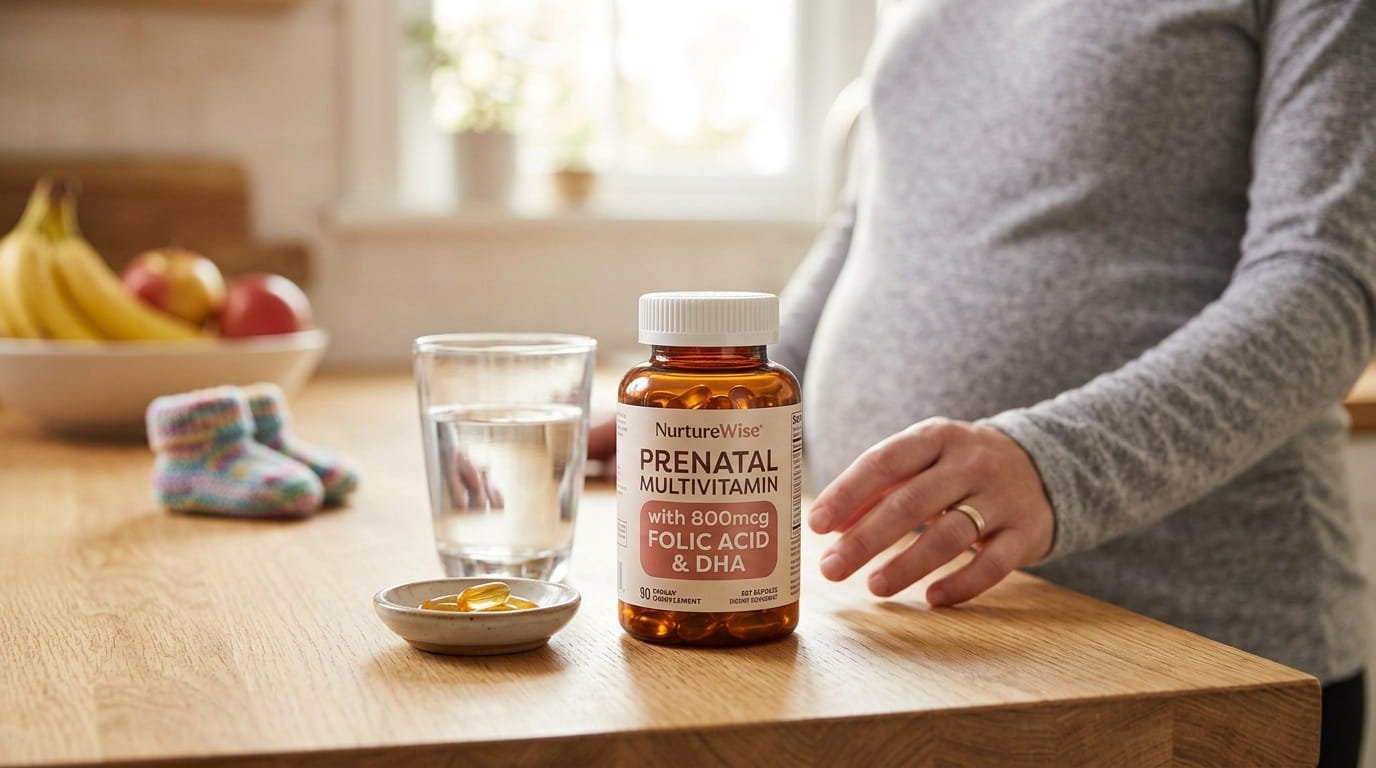
When choosing prenatal vitamins and folic acid during pregnancy, look for products that have been tested and verified by independent third-party organizations (such as USP, NSF, or ConsumerLab).
Because dietary supplements are not as tightly regulated as pharmaceutical drugs, third-party certification ensures that the product actually contains the ingredients listed on the label without any harmful contaminants.
Look for third-party certified prenatal multivitamins to ensure ingredient purity.. Source: iHerb
Prenatal Vitamins and Folic Acid and Aspirin Before Pregnancy: Managing High Risks
Under specific medical supervision, some doctors recommend a combination of prenatal vitamins and folic acid and aspirin before pregnancy. This is typically prescribed for individuals who have a history of preeclampsia, recurrent pregnancy losses, or blood clotting disorders (such as antiphospholipid syndrome).
Low-dose aspirin (often called baby aspirin, 81 mg) improves blood flow to the uterus and placenta, while folic acid supports healthy cell division.
Important Safety Note: Never start a daily aspirin regimen during pregnancy without a direct prescription and clear guidance from your OB-GYN or midwife.
Does Folic Acid and Pregnancy Vitamins Increase Fibroid Growth: What the Science Says
An understandable concern for some women is: does folic acid and pregnancy vitamins increase fibroid growth? Uterine fibroids are non-cancerous muscular tumors that grow in the wall of the uterus. Their growth is primarily driven by the hormones estrogen and progesterone, which naturally spike during pregnancy.
Current medical research indicates that standard doses of folic acid and prenatal vitamins do not cause or accelerate fibroid growth. In fact, some studies suggest that maintaining healthy Vitamin D levels may actually help inhibit fibroid cell proliferation.
Folic Acid and Pregnancy Vitamins: Tailoring Your Daily Routine
Ultimately, navigating folic acid and pregnancy vitamins is about finding a routine that fits your body’s unique needs. If large prenatal pills trigger your morning sickness, try taking them with a small meal, right before bed, or switching to high-quality gummy prenatal vitamins (just remember that gummies often lack iron, so you may need to supplement that separately).
Always discuss your supplement plan with your healthcare provider to ensure you and your baby are getting the exact nutritional support you need for a healthy, happy pregnancy.