what causes a heart attack – Understanding the Main Causes, Risk Factors, and Prevention
Heart attacks are among the leading causes of death worldwide, affecting millions of people every year. Despite advances in medical treatment and awareness, many individuals still do not fully understand what causes a heart attack and how it can be prevented. Knowing the underlying causes and risk factors can help people make healthier lifestyle choices and reduce their chances of developing serious heart problems.
A heart attack, also known as a myocardial infarction, occurs when blood flow to a part of the heart muscle becomes blocked. Without adequate blood supply, the affected heart tissue begins to die. Immediate medical attention is critical because delayed treatment can lead to severe complications or even death.
This article explores what causes a heart attack, the major risk factors involved, common warning signs, and effective prevention strategies.
What Is a Heart Attack?
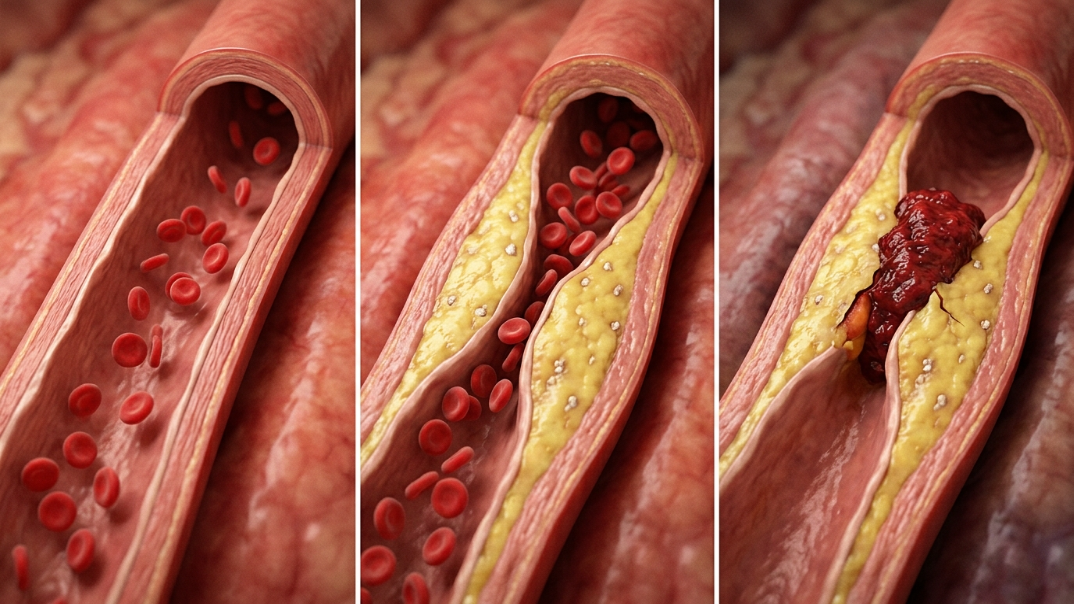
A heart attack happens when one or more coronary arteries become blocked, preventing oxygen-rich blood from reaching the heart muscle. The blockage is usually caused by a buildup of fatty deposits known as plaque inside the arteries.
Over time, plaque can narrow the arteries and restrict blood flow. If a plaque ruptures, a blood clot may form around it, completely blocking the artery. When this occurs, the heart muscle is deprived of oxygen and nutrients, resulting in a heart attack.
The severity of a heart attack depends on how much of the heart muscle is affected and how quickly medical treatment is received.
The Primary Cause of a Heart Attack
Coronary Artery Disease
The most common answer to the question “what causes a heart attack” is coronary artery disease (CAD).
Coronary artery disease develops when cholesterol, fat, calcium, and other substances accumulate inside the coronary arteries. This buildup forms plaque, which narrows the arteries and reduces blood flow to the heart.
As plaque continues to grow, the arteries become increasingly restricted. If a plaque ruptures, a blood clot can form and block the artery entirely, triggering a heart attack.
Coronary artery disease develops gradually over many years and often shows no symptoms until a serious cardiac event occurs.
High Cholesterol Levels
High cholesterol is one of the leading contributors to heart attacks.
Low-density lipoprotein (LDL), commonly called “bad cholesterol,” can accumulate on artery walls and contribute to plaque formation. As plaque builds up, arteries become narrower and less flexible.
People with elevated LDL cholesterol levels have a significantly higher risk of developing coronary artery disease and experiencing a heart attack.
Maintaining healthy cholesterol levels through diet, exercise, and medication when necessary can help reduce this risk.
High Blood Pressure
High blood pressure, or hypertension, places excessive strain on the heart and blood vessels.
Over time, elevated blood pressure damages artery walls, making them more vulnerable to plaque buildup. Damaged arteries are more likely to develop blockages that can eventually lead to a heart attack.
Because hypertension often causes no obvious symptoms, it is frequently called the “silent killer.” Regular blood pressure monitoring is essential for maintaining cardiovascular health.
Smoking and Tobacco Use
Smoking is one of the most preventable causes of heart disease and heart attacks.
Tobacco smoke contains chemicals that damage blood vessels, reduce oxygen levels in the blood, and increase the likelihood of blood clot formation. Smoking also contributes to high blood pressure and lowers good cholesterol levels.
Even exposure to secondhand smoke can increase the risk of cardiovascular disease. Quitting smoking can significantly improve heart health and reduce heart attack risk within a relatively short period.
Diabetes and Heart Attacks
People with diabetes face a much greater risk of developing heart disease.
High blood sugar levels can damage blood vessels and nerves that control the heart. Diabetes also increases the likelihood of high blood pressure, obesity, and abnormal cholesterol levels.
These combined effects create a dangerous environment that promotes plaque buildup and artery blockage.
Proper diabetes management through medication, healthy eating, and regular physical activity can help lower the risk of heart attacks.
Obesity and Excess Weight
Being overweight or obese places extra stress on the cardiovascular system.
Obesity is associated with several heart attack risk factors, including:
- High blood pressure
- High cholesterol
- Diabetes
- Inflammation
- Sleep apnea
Excess body fat, particularly around the abdomen, is strongly linked to an increased risk of heart disease.
Maintaining a healthy weight through balanced nutrition and regular exercise can greatly improve heart health.
Physical Inactivity
A sedentary lifestyle contributes significantly to heart disease.
Regular physical activity helps:
- Strengthen the heart muscle
- Improve circulation
- Lower blood pressure
- Reduce cholesterol levels
- Control weight
- Improve blood sugar regulation
Individuals who do not exercise regularly are more likely to develop conditions that increase heart attack risk.
Experts generally recommend at least 150 minutes of moderate-intensity exercise each week.
Unhealthy Diet
Diet plays a major role in determining cardiovascular health.
A diet high in:
- Saturated fats
- Trans fats
- Sodium
- Added sugars
- Processed foods
can increase the risk of plaque buildup and artery damage.
Conversely, a heart-healthy diet rich in fruits, vegetables, whole grains, lean proteins, and healthy fats supports healthy blood vessels and reduces the likelihood of a heart attack.
Making healthier food choices is one of the most effective ways to protect the heart.
Chronic Stress
Long-term stress can negatively affect heart health in several ways.
Stress may contribute to:
- High blood pressure
- Increased inflammation
- Poor sleep quality
- Unhealthy eating habits
- Smoking and alcohol misuse
During stressful situations, the body releases hormones that temporarily raise heart rate and blood pressure. Chronic exposure to these hormones may increase cardiovascular risk over time.
Managing stress through relaxation techniques, exercise, and healthy coping strategies can benefit overall heart health.
Family History and Genetics
Genetics can influence an individual’s likelihood of developing heart disease.
People with close family members who have experienced heart attacks or cardiovascular disease at an early age may face a higher risk themselves.
Inherited factors can affect cholesterol levels, blood pressure regulation, and other aspects of cardiovascular function.
Although genetics cannot be changed, understanding family history can help individuals take proactive steps to reduce their risk.
Age and Gender
Age is a significant risk factor for heart attacks.
As people get older, arteries naturally become less flexible and more prone to plaque accumulation.
Men generally face a higher risk of heart attacks at younger ages compared to women. However, after menopause, women’s risk increases substantially.
Regardless of age or gender, maintaining a healthy lifestyle remains essential for protecting heart health.
Excessive Alcohol Consumption
Moderate alcohol consumption may have limited cardiovascular effects, but excessive drinking can be harmful.
Heavy alcohol use may contribute to:
- High blood pressure
- Irregular heart rhythms
- Obesity
- Cardiomyopathy
These conditions increase the likelihood of heart attacks and other cardiovascular problems.
Limiting alcohol intake can help support a healthier heart.
Illegal Drug Use
Certain drugs can dramatically increase heart attack risk.
Substances such as cocaine and methamphetamine can cause:
- Severe artery spasms
- Dangerous increases in blood pressure
- Irregular heart rhythms
- Sudden coronary artery blockage
Even young individuals with no previous heart disease may experience heart attacks after using these substances.
Common Warning Signs of a Heart Attack
Recognizing symptoms early can save lives.
Common heart attack symptoms include:
- Chest pain or pressure
- Pain in the arm, shoulder, neck, jaw, or back
- Shortness of breath
- Cold sweats
- Nausea or vomiting
- Dizziness or lightheadedness
- Unusual fatigue
Symptoms may vary between individuals. Women sometimes experience less typical symptoms, such as fatigue, nausea, and shortness of breath.
Immediate medical attention should be sought if a heart attack is suspected.
How to Prevent a Heart Attack
Although not all risk factors can be controlled, many heart attacks are preventable.
Effective prevention strategies include:
Maintain a Healthy Diet
Focus on nutrient-rich foods and limit processed products, unhealthy fats, and excessive salt.
Exercise Regularly
Aim for consistent physical activity throughout the week.
Avoid Smoking
Quitting smoking is one of the most important steps for heart health.
Control Blood Pressure
Regular monitoring and treatment can help prevent artery damage.
Manage Cholesterol Levels
Healthy lifestyle habits and prescribed medications can reduce plaque buildup.
Maintain a Healthy Weight
Weight management reduces stress on the cardiovascular system.
Control Diabetes
Keeping blood sugar levels within a healthy range protects blood vessels.
Reduce Stress
Stress management techniques can support long-term cardiovascular wellness.
Conclusion
Understanding what causes a heart attack is essential for protecting your health and making informed lifestyle choices. The most common cause is coronary artery disease, a condition resulting from plaque buildup in the arteries that supply blood to the heart. Factors such as high cholesterol, high blood pressure, smoking, diabetes, obesity, poor diet, physical inactivity, and chronic stress can significantly increase the risk.
While some risk factors, such as age and family history, cannot be changed, many others can be managed through healthy habits and regular medical care. By focusing on prevention and recognizing warning signs early, individuals can greatly reduce their chances of experiencing a heart attack and improve their overall quality of life.