Difference between gas pain and heart attack – Symptoms, Causes, and When to Seek Help
Chest pain is one of the most alarming symptoms a person can experience. Many people immediately fear a heart attack when they feel discomfort in their chest. However, not all chest pain is related to the heart. In many cases, the discomfort may be caused by gas pain, indigestion, or acid reflux. While gas pain is usually harmless and temporary, a heart attack is a medical emergency that requires immediate treatment.
Understanding the difference between gas pain and a heart attack can help you respond appropriately and potentially save a life. Because some symptoms overlap, it is important to know the warning signs, causes, risk factors, and when to seek medical attention.
What Is Gas Pain?
Gas pain occurs when excess gas builds up in the digestive tract. Gas naturally forms during digestion, but excessive gas can cause bloating, pressure, and pain in the chest or abdomen.
Sometimes the pain becomes so intense that people mistake it for a heart-related problem. Gas pain may occur after eating certain foods, swallowing air, or digestive disorders such as acid reflux or irritable bowel syndrome (IBS).
Common Causes of Gas Pain
- Eating too quickly
- Carbonated drinks
- Spicy or fatty foods
- Beans, broccoli, cabbage, and onions
- Lactose intolerance
- Constipation
- Acid reflux or GERD
- Digestive disorders
- Stress and anxiety
Symptoms of Gas Pain
Gas pain symptoms usually affect the digestive system and may include:
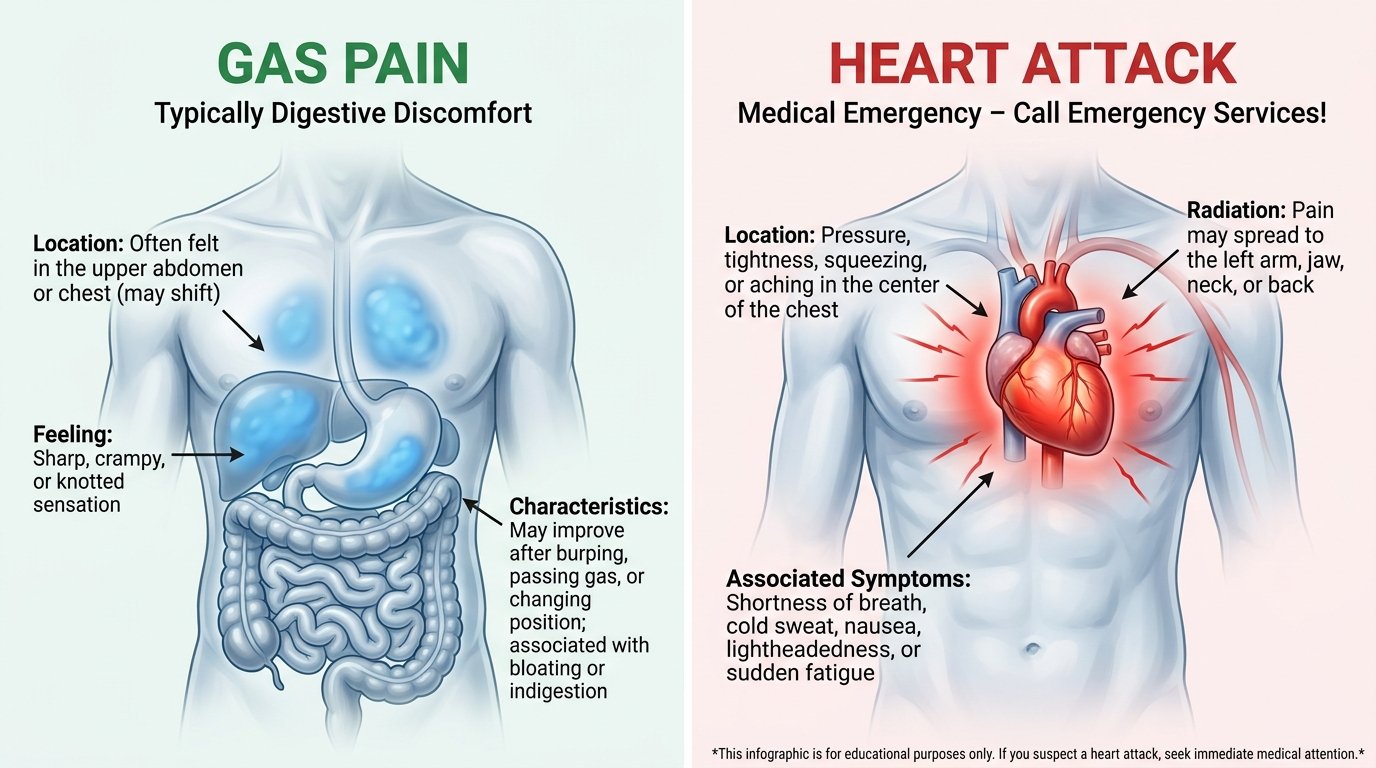
- Sharp or stabbing chest pain
- Bloating
- Burping
- Passing gas
- Abdominal discomfort
- Feeling full quickly
- Pain that changes position
- Pain relief after burping or passing gas
The discomfort may move around the chest or abdomen and often improves naturally.
What Is a Heart Attack?
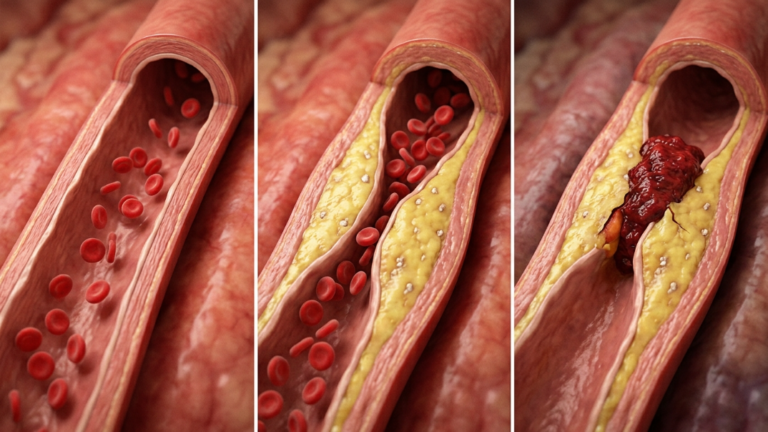
A heart attack occurs when blood flow to the heart muscle becomes blocked. This blockage prevents oxygen from reaching the heart, causing damage to the heart tissue.
A heart attack is a serious medical emergency. Immediate treatment is essential to reduce damage and improve survival chances.
Common Causes of Heart Attack
Heart attacks are usually caused by coronary artery disease, where fatty deposits narrow the arteries.
Other contributing factors include:
- High blood pressure
- High cholesterol
- Smoking
- Diabetes
- Obesity
- Lack of exercise
- Stress
- Family history of heart disease
Symptoms of a Heart Attack
Heart attack symptoms vary from person to person. Some people experience sudden severe pain, while others have mild discomfort.
Common symptoms include:
- Pressure or tightness in the chest
- Pain spreading to the jaw, neck, shoulders, or arms
- Shortness of breath
- Sweating
- Dizziness
- Nausea or vomiting
- Fatigue
- Rapid heartbeat
- Anxiety or a feeling of doom
Women may experience less typical symptoms such as nausea, fatigue, or back pain.
Similarities Between Gas Pain and Heart Attack
One reason people confuse gas pain with a heart attack is that both conditions can cause chest discomfort.
Shared Symptoms
Both may involve:
- Chest pain
- Pressure in the chest
- Nausea
- Burning sensation
- Upper abdominal discomfort
Because symptoms overlap, it can sometimes be difficult to tell the difference without medical evaluation.
Key Differences Between Gas Pain and Heart Attack
Understanding the differences can help identify which condition is more likely.
| Feature | Gas Pain | Heart Attack |
|---|---|---|
| Pain Type | Sharp or stabbing | Pressure, squeezing, heaviness |
| Location | Moves around chest/abdomen | Usually center or left chest |
| Duration | Short-term, comes and goes | Persistent, often longer than 10 minutes |
| Relief | Improves after burping or passing gas | Usually does not improve |
| Associated Symptoms | Bloating, burping | Sweating, shortness of breath |
| Trigger | Eating certain foods | Physical exertion or stress |
| Radiation | Rarely spreads | Often spreads to arm, jaw, or back |
How Gas Pain Feels
Gas pain can feel surprisingly intense. Many people describe it as:
- Sharp cramps
- Tightness in the chest
- Sudden stabbing pain
- Pain under the ribs
- A feeling of trapped air
The pain often shifts location and improves when gas is released.
Gas pain may worsen after meals or when lying down.
How a Heart Attack Feels
Heart attack pain is usually more severe and persistent. People often describe it as:
- Heavy pressure on the chest
- Squeezing sensation
- Crushing pain
- Burning or fullness in the chest
The discomfort may spread to:
- Left arm
- Both arms
- Jaw
- Neck
- Back
- Shoulders
Unlike gas pain, heart attack symptoms often come with sweating, weakness, or difficulty breathing.
Can Gas Cause Chest Pain?
Yes, trapped gas can cause chest pain. Gas buildup in the upper digestive tract may create pressure near the diaphragm, leading to discomfort in the chest area.
Sometimes acid reflux or heartburn can also mimic heart-related pain.
However, chest pain should never be ignored because it is difficult to distinguish between digestive and cardiac causes without proper evaluation.
Can a Heart Attack Feel Like Indigestion?
Yes, some heart attacks feel like indigestion or heartburn. Mild heart attacks may produce symptoms such as:
- Burning in the chest
- Upset stomach
- Nausea
- Pressure after eating
This is especially common in women, older adults, and people with diabetes.
If indigestion feels unusual, severe, or occurs with sweating or shortness of breath, emergency medical care is necessary.
Risk Factors for Heart Attack
Certain factors increase the likelihood of a heart attack.
Major Risk Factors
- Smoking
- High blood pressure
- Diabetes
- High cholesterol
- Obesity
- Sedentary lifestyle
- Stress
- Age
- Family history of heart disease
People with these risk factors should take chest pain more seriously.
Risk Factors for Gas Pain
Gas pain is more likely in people with digestive issues or dietary triggers.
Common Risk Factors
- Poor eating habits
- Food intolerances
- Carbonated beverages
- Digestive disorders
- Eating too fast
- Anxiety
- Overeating
Warning Signs That Require Emergency Help
Seek immediate medical attention if chest pain occurs with:
- Shortness of breath
- Sweating
- Fainting
- Pain spreading to the arm or jaw
- Severe pressure in the chest
- Sudden weakness
- Rapid heartbeat
- Difficulty breathing
It is always safer to treat chest pain as a possible heart attack until proven otherwise.
How Doctors Diagnose the Difference
Doctors use several tests to determine whether chest pain comes from the heart or digestive system.
Tests for Heart Attack
- Electrocardiogram (ECG)
- Blood tests
- Chest X-ray
- Echocardiogram
- Coronary angiography
Tests for Gas or Digestive Problems
- Physical examination
- Endoscopy
- Ultrasound
- Digestive evaluation
Never attempt self-diagnosis if symptoms are severe.
Treatment for Gas Pain
Gas pain treatment focuses on relieving digestive discomfort.
Home Remedies
- Walking
- Warm water
- Peppermint tea
- Gentle stretching
- Avoiding trigger foods
Medications
- Antacids
- Simethicone products
- Digestive enzymes
- Probiotics
Lifestyle changes can greatly reduce recurring gas pain.
Treatment for Heart Attack
Heart attack treatment must begin immediately.
Emergency Treatments
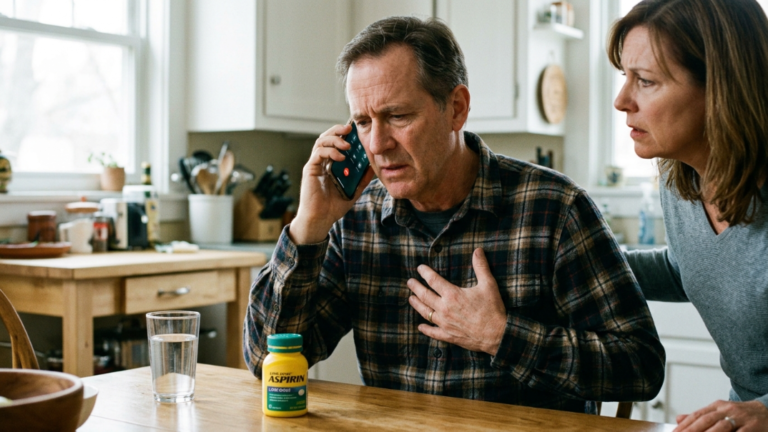
- Aspirin
- Oxygen therapy
- Blood thinners
- Angioplasty
- Stent placement
Long-Term Treatment
- Heart medications
- Lifestyle changes
- Cardiac rehabilitation
- Smoking cessation
- Healthy diet
Quick treatment improves survival rates significantly.
How to Prevent Gas Pain
Preventive measures include:
- Eating slowly
- Avoiding gas-producing foods
- Drinking more water
- Reducing carbonated beverages
- Managing stress
- Exercising regularly
Keeping a food diary can help identify trigger foods.
How to Prevent Heart Attacks
Heart attack prevention involves maintaining overall cardiovascular health.
Prevention Tips
- Exercise regularly
- Maintain healthy weight
- Eat heart-healthy foods
- Avoid smoking
- Control blood pressure
- Manage diabetes
- Reduce stress
- Limit alcohol
Routine medical checkups are also important.
Gas Pain vs Heart Attack in Women
Women may experience atypical heart attack symptoms that differ from men.
Common Symptoms in Women
- Fatigue
- Nausea
- Back pain
- Jaw pain
- Mild chest discomfort
- Shortness of breath
Because symptoms may appear less dramatic, women sometimes delay seeking help.
Gas pain symptoms in women are generally similar to those in men.
Gas Pain vs Heart Attack in Older Adults
Older adults may not experience classic heart attack symptoms.
Symptoms may include:
- Weakness
- Confusion
- Dizziness
- Mild discomfort
- Fatigue
This makes diagnosis more challenging.
Psychological Impact of Chest Pain
Chest pain can trigger fear and anxiety, especially when people worry about heart disease.
Anxiety itself can cause:
- Chest tightness
- Rapid heartbeat
- Shortness of breath
- Digestive upset
However, anxiety-related symptoms should not automatically be assumed harmless.
When Chest Pain Is Probably Gas
Chest pain is more likely caused by gas if:
- It improves after burping
- It changes position
- It occurs after eating
- There is bloating
- The pain is sharp and brief
Still, medical advice may be necessary if symptoms persist.
When Chest Pain Is Probably a Heart Attack
Heart attack symptoms are more likely if:
- The pain feels heavy or crushing
- Symptoms last longer than 10 minutes
- Pain spreads to the arm or jaw
- Breathing becomes difficult
- Sweating occurs suddenly
Call emergency services immediately if these symptoms appear.
Importance of Quick Medical Attention
Delaying treatment during a heart attack can lead to serious complications, including:
- Heart failure
- Arrhythmias
- Permanent heart damage
- Death
Many people hesitate because they think symptoms are “just gas.” Prompt evaluation saves lives.
Lifestyle Changes for Better Heart and Digestive Health
Improving overall health benefits both the digestive system and the heart.
Healthy Habits
- Balanced diet
- Regular exercise
- Hydration
- Stress management
- Adequate sleep
- Avoiding smoking
Simple daily habits can significantly reduce health risks.
Final Thoughts
Gas pain and heart attacks can sometimes feel similar, especially because both may cause chest discomfort. However, the causes and risks are very different.
Gas pain is usually linked to digestion and often improves after burping or passing gas. A heart attack typically causes persistent pressure, shortness of breath, sweating, and pain spreading to other parts of the body.
Because symptoms can overlap, it is always better to seek medical attention if there is any doubt. Never ignore severe or unexplained chest pain.
Understanding the difference between gas pain and a heart attack can help you make informed decisions and protect your health.
Frequently Asked Questions (FAQs)
1. How do I know if chest pain is gas or heart-related?
Gas pain usually improves after burping or passing gas and may come with bloating. Heart-related pain often feels like pressure or tightness and may include sweating or shortness of breath.
2. Can gas pain last for hours?
Yes, trapped gas can sometimes cause discomfort for several hours, especially with digestive problems or overeating.
3. What does a mild heart attack feel like?
A mild heart attack may feel like chest pressure, indigestion, fatigue, or discomfort in the jaw, neck, or arms.
4. Does gas pain occur on the left side of the chest?
Yes, gas pain can occur anywhere in the chest or abdomen, including the left side.
5. Can heartburn feel like a heart attack?
Yes, heartburn and acid reflux can mimic heart attack symptoms because both may cause chest burning and discomfort.
6. Should I go to the hospital for chest pain?
Yes, especially if the pain is severe, persistent, or accompanied by sweating, breathing difficulty, or pain spreading to the arm or jaw.
7. Can anxiety cause chest pain?
Yes, anxiety and panic attacks can cause chest tightness and rapid heartbeat, but medical evaluation may still be necessary.
8. Is gas pain dangerous?
Gas pain itself is usually not dangerous, but severe chest pain should never be ignored without proper evaluation.
9. What foods commonly cause gas pain?
Beans, onions, cabbage, carbonated drinks, dairy products, and spicy foods commonly trigger gas.
10. Can young people have heart attacks?
Yes, although less common, heart attacks can occur in younger people, especially with smoking, obesity, diabetes, or family history.