Widow Maker Heart Attack: Symptoms, Causes, Survival Rate, Recovery, and Prevention
Understanding the Widow Maker Heart Attack
A widow maker heart attack is one of the most serious and life-threatening cardiac emergencies a person can experience. Many people ask, what is a widow maker heart attack, and why is it considered so dangerous compared to other types of heart attacks? The answer lies in the location and severity of the blockage that causes it.
The widow maker heart attack occurs when there is a severe blockage in the left anterior descending artery, often referred to as the widow maker artery heart attack location. This artery supplies a large portion of blood to the heart muscle. When blood flow is suddenly interrupted, significant heart damage can occur within minutes.
People frequently search for what is widow maker heart attack, whats a widow maker heart attack, what’s a widow maker heart attack, and what is the widow maker heart attack because the term sounds alarming. The widow maker is not a separate disease but rather a particularly dangerous form of heart attack involving a critical artery.
The phrase heart attack widow maker and widow-maker heart attack are commonly used interchangeably. Some individuals may even type widow.maker heart attack or widows maker heart attack while searching for information online. Regardless of spelling, the condition refers to the same potentially fatal cardiovascular emergency.
Understanding the widow maker heart attack is essential because early recognition and treatment can significantly improve outcomes. While many people fear this diagnosis, modern medical advances have increased the widow maker heart attack survival rate when patients receive prompt care.
Why Is It Called a Widow Maker Heart Attack?
One of the most common questions is why is it called a widow maker heart attack. Many people also ask why is a heart attack called a widow maker, why do they call it a widow maker heart attack, and why is it called the widow maker heart attack.
Historically, the name originated because severe blockages in the left anterior descending artery often resulted in sudden death before emergency treatment was available. The term suggested that a person’s spouse could become widowed due to the abrupt and fatal nature of the event.
Today, the name remains in use because the blockage can still be extremely dangerous. However, advances in emergency medicine, cardiac catheterization, angioplasty, and stent placement have dramatically improved survival rates.
When people ask what heart attack is the widow maker or what type of heart attack is a widow maker, healthcare professionals typically explain that it involves a major blockage in the left anterior descending artery. This artery supplies oxygen-rich blood to a significant portion of the heart muscle, making any interruption particularly dangerous.
Because of its severity, the widow maker continues to be one of the most recognized forms of heart attack discussed by cardiologists and medical researchers.
What Is Considered a Widow Maker Heart Attack?
Another common question is what is considered a widow maker heart attack. A widow maker heart attack generally occurs when a major blockage affects the left anterior descending artery. This blockage can be partial or complete, but the most dangerous cases involve complete obstruction of blood flow.
When discussing what is a widow-maker heart attack, doctors often emphasize that not every blockage in this artery qualifies as a classic widow maker. The term is most commonly associated with severe obstruction that threatens a large area of heart muscle.
Many individuals wonder what happens after a widow maker heart attack. The outcome depends on several factors, including the speed of treatment, the patient’s age, overall health, and the extent of heart muscle damage. Some patients recover remarkably well, while others require long-term cardiac rehabilitation and lifestyle modifications.
The widow maker heart attack artery is particularly important because it supplies blood to the front wall of the heart. When this blood supply is interrupted, the heart’s pumping ability can be severely affected.
Widow Maker Heart Attack Symptoms
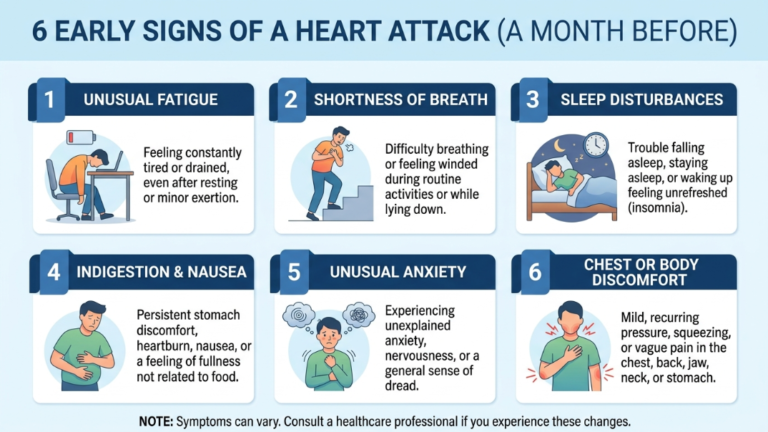
Recognizing widow maker heart attack symptoms can save lives. The earlier treatment begins, the better the chances of survival and recovery.
The most common symptoms of a widow maker heart attack include:
- Severe chest pain or pressure
- Tightness in the chest
- Pain radiating to the arms, shoulders, neck, jaw, or back
- Shortness of breath
- Excessive sweating
- Dizziness
- Nausea or vomiting
- Extreme fatigue
- Sudden weakness
People often search for symptoms of widow maker heart attack, symptoms of a widow maker heart attack, symptoms of the widow maker heart attack, signs of widow maker heart attack, signs of a widow maker heart attack, and signs of the widow maker heart attack because symptom recognition is crucial.
The warning signs of widow maker heart attack may begin suddenly or develop gradually over several hours. Some individuals describe the experience as an intense crushing sensation in the center of the chest.
When asking what does a widow maker heart attack feel like, survivors frequently report severe chest pressure, difficulty breathing, and a sense of impending doom. These symptoms should never be ignored.
Many online searches also include widow maker heart attack signs and what are the signs of a widow maker heart attack. Understanding these symptoms can help people seek emergency medical attention before permanent heart damage occurs.
Widow Maker Heart Attack Symptoms in Women
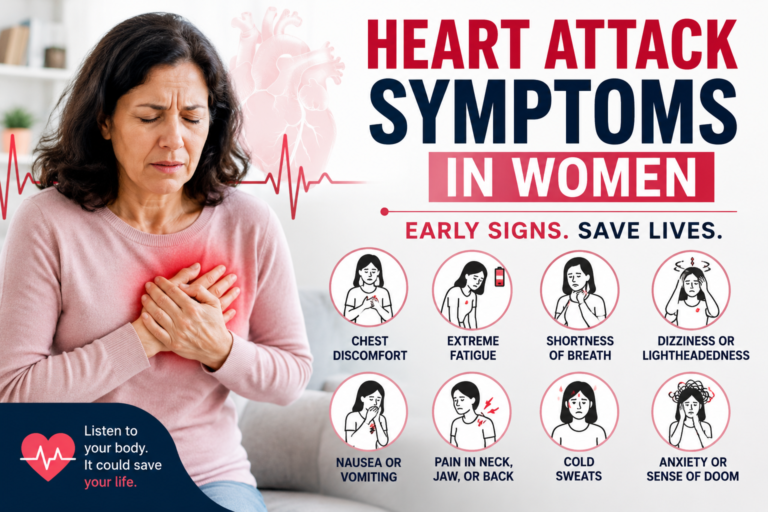
A widow maker heart attack in women may present differently than it does in men. This is why awareness of widow maker heart attack symptoms in women is extremely important.
Can women have a widow maker heart attack? Absolutely. In fact, many healthcare professionals emphasize that can women have widow maker heart attacks and do women have widow maker heart attacks are important questions because women often experience less obvious symptoms.
Women may experience:
- Unusual fatigue
- Shortness of breath
- Nausea
- Indigestion-like discomfort
- Upper back pain
- Neck pain
- Jaw pain
- Lightheadedness
Because symptoms can differ, some women delay seeking treatment. Early recognition remains essential regardless of gender.
Healthcare experts encourage women to pay attention to subtle warning signs and seek immediate medical care when symptoms appear.
What Causes a Widow Maker Heart Attack?
People frequently ask what causes a widow maker heart attack, what causes widow maker heart attack, what causes widow maker heart attacks, and widow maker heart attack causes.
The most common cause is coronary artery disease. Over time, fatty deposits known as plaque accumulate within the arteries. This process narrows the blood vessels and restricts blood flow.
Eventually, a plaque may rupture. When this happens, a blood clot can form rapidly and block the artery completely. This sudden blockage prevents oxygen-rich blood from reaching the heart muscle.
Risk factors include:
- High cholesterol
- High blood pressure
- Smoking
- Diabetes
- Obesity
- Physical inactivity
- Chronic stress
- Poor diet
- Family history of heart disease
Many people also wonder are widow maker heart attacks hereditary. Genetics can increase the risk of developing coronary artery disease, making family history an important factor. However, lifestyle choices also play a significant role in determining risk.
Widow Maker Heart Attack Age and Risk Factors
The widow maker heart attack age varies significantly. Although older adults face a higher risk, younger individuals are not immune.
Risk increases with age, but factors such as smoking, obesity, diabetes, and high cholesterol can lead to earlier cardiovascular disease. Some cases have occurred in individuals in their thirties and forties.
Many people ask how common are widow maker heart attacks. While they represent only a portion of all heart attacks, they are among the most dangerous because of the critical artery involved.
Athletes, business professionals, retirees, and otherwise healthy-looking individuals can all experience a widow maker heart attack if underlying cardiovascular disease exists.
Understanding personal risk factors and maintaining regular medical checkups can help identify problems before a life-threatening event occurs.
Widow Maker Heart Attack Survival Rate
One of the most searched topics surrounding this condition is the widow maker heart attack survival rate. People understandably want to know whether survival is possible and what factors influence recovery.
The survival rate of widow maker heart attack has improved significantly over the past few decades due to advances in emergency medicine, faster diagnosis, and improved treatment options. Years ago, a blockage in the left anterior descending artery often resulted in sudden death. Today, many patients survive and go on to live productive lives.
When discussing the survival rate of a widow maker heart attack, doctors consider several factors, including:
- How quickly treatment begins
- Whether the artery is completely blocked
- The patient’s age and health status
- Existing medical conditions
- The amount of heart muscle damage
- Access to emergency cardiac care
Many people ask can you survive a widow maker heart attack. The answer is yes. Thousands of patients survive every year, especially when emergency treatment is received quickly.
Questions such as how many people survive a widow maker heart attack, percentage of people who survive widow maker heart attack, widow maker heart attack chance of survival, and what percentage of people survive the widow maker heart attack are common because people naturally want reassurance after hearing the diagnosis.
The most important factor affecting survival is time. The faster blood flow is restored, the greater the chance of preserving heart muscle and reducing complications.
Widow Maker Heart Attack EKG and ECG Findings
Doctors use several diagnostic tools when evaluating a patient with suspected heart attack symptoms. Among the most important are the widow maker heart attack EKG and widow maker heart attack ECG.
An electrocardiogram records the electrical activity of the heart and can help identify abnormalities caused by reduced blood flow.
When a patient experiences a widow maker heart attack, the ECG or EKG often shows characteristic changes that suggest a blockage in the left anterior descending artery. These findings help emergency physicians and cardiologists determine the urgency of treatment.
The widow maker heart attack ECG may reveal:
- ST-segment elevation
- Abnormal T-wave patterns
- Signs of acute myocardial infarction
- Evidence of damage to the front wall of the heart
Similarly, the widow maker heart attack EKG helps physicians quickly identify the affected area and decide whether immediate intervention is necessary.
Although ECG findings provide valuable information, doctors also use blood tests, imaging studies, and cardiac catheterization to confirm the diagnosis and determine the extent of damage.
Emergency Treatment for a Widow Maker Heart Attack
The widow maker heart attack is a medical emergency that requires immediate treatment. Delays can lead to severe heart damage or death.
The primary goal of treatment is to restore blood flow as quickly as possible.
Common treatments include:
Angioplasty and Stent Placement
This procedure involves inserting a catheter into the blocked artery. A small balloon is inflated to open the blockage, and a stent is placed to keep the artery open.
Emergency Medications
Doctors may administer medications to:
- Dissolve blood clots
- Reduce strain on the heart
- Lower blood pressure
- Prevent additional clot formation
Coronary Artery Bypass Surgery
In some cases, surgery may be necessary if multiple arteries are blocked or if angioplasty is not suitable.
Prompt treatment significantly improves the widow maker heart attack survival rate and reduces long-term complications.
Widow Maker Heart Attack Recovery
Widow maker heart attack recovery varies from person to person. Some patients recover quickly, while others require months of rehabilitation.
The recovery process often includes:
- Cardiac rehabilitation
- Lifestyle modifications
- Medication management
- Regular follow-up appointments
- Exercise programs
- Dietary improvements
Many patients worry about what happens after a widow maker heart attack. Recovery typically focuses on strengthening the heart, preventing future cardiac events, and improving overall quality of life.
Doctors frequently recommend structured cardiac rehabilitation because it provides education, supervised exercise, and emotional support.
A successful widow maker heart attack recovery often depends on the patient’s willingness to make long-term lifestyle changes.
Life After a Widow Maker Heart Attack
Life after a widow maker heart attack can be both physically and emotionally challenging. Many survivors initially experience fear, anxiety, and uncertainty about the future.
Fortunately, modern treatment has allowed many survivors to return to work, exercise, travel, and enjoy meaningful lives.
Important aspects of long-term recovery include:
- Following prescribed medications
- Maintaining a healthy diet
- Exercising regularly
- Monitoring blood pressure
- Managing cholesterol levels
- Avoiding tobacco products
- Reducing stress
Patients who remain committed to these habits often experience substantial improvements in heart health over time.
Family support, medical guidance, and ongoing education play important roles in helping survivors adapt to their new lifestyle.
Life Expectancy After Surviving Widow Maker Heart Attack
Another frequently searched topic is life expectancy after surviving widow maker heart attack.
There is no single answer because life expectancy depends on several factors:
- Amount of heart damage
- Overall cardiovascular health
- Age
- Presence of diabetes or hypertension
- Lifestyle habits
- Adherence to treatment plans
Some individuals live for decades after surviving a widow maker heart attack. Others may face additional cardiac complications if risk factors remain uncontrolled.
Patients who actively participate in rehabilitation programs and adopt healthier lifestyles generally experience better long-term outcomes.
Advances in cardiac care continue to improve both survival rates and quality of life for heart attack survivors.
Widow Maker Heart Attack vs Heart Attack
Many people wonder about widow maker heart attack vs heart attack comparisons.
A widow maker heart attack is a type of heart attack, but not every heart attack is a widow maker.
The key difference lies in the location of the blockage.
A standard heart attack may involve different coronary arteries and varying levels of damage. In contrast, the widow maker typically involves a major blockage in the left anterior descending artery.
This distinction matters because the affected artery supplies blood to a large portion of the heart muscle.
As a result, the widow maker often carries a higher risk of severe complications if treatment is delayed.
However, rapid intervention can dramatically improve outcomes.
Can Women Have a Widow Maker Heart Attack?
Healthcare providers frequently address questions such as can women have a widow maker heart attack, can women have widow maker heart attacks, and do women have widow maker heart attacks.
The answer is yes.
Women are fully capable of developing severe blockages in the left anterior descending artery. Unfortunately, symptoms in women can differ from the classic symptoms seen in men.
Women may experience:
- Fatigue
- Nausea
- Jaw pain
- Back pain
- Shortness of breath
- Mild chest discomfort
Because symptoms may be less obvious, women sometimes delay seeking treatment.
Public awareness campaigns continue to emphasize the importance of recognizing widow maker heart attack symptoms in women so that treatment can begin as early as possible.
Are Widow Maker Heart Attacks Hereditary?
A common concern among families is whether widow maker heart attacks are hereditary.
The answer is partially yes.
While the heart attack itself is not inherited, many risk factors can run in families.
These inherited tendencies may include:
- High cholesterol
- High blood pressure
- Diabetes
- Premature coronary artery disease
Individuals with a strong family history of heart disease should pay special attention to prevention and regular cardiovascular screenings.
Knowing your family history allows healthcare providers to identify risks early and recommend appropriate preventive strategies.
How to Prevent Widow Maker Heart Attack
One of the most important questions people ask is how to prevent widow maker heart attack. While no prevention strategy can eliminate risk completely, adopting heart-healthy habits can dramatically reduce the likelihood of developing severe coronary artery disease.
Prevention begins with understanding the factors that contribute to artery blockage and heart disease.
Effective prevention strategies include:
Maintain a Heart-Healthy Diet
A balanced diet can help lower cholesterol levels, control blood pressure, and reduce inflammation.
Recommended foods include:
- Fruits
- Vegetables
- Whole grains
- Lean proteins
- Fish rich in omega-3 fatty acids
- Nuts and seeds
Limiting processed foods, excess sugar, and saturated fats can further improve cardiovascular health.
Exercise Regularly
Physical activity strengthens the heart and improves circulation.
Experts generally recommend:
- At least 150 minutes of moderate exercise weekly
- Regular walking
- Cycling
- Swimming
- Strength training
Avoid Smoking
Smoking damages blood vessels and significantly increases the risk of coronary artery disease.
Individuals who quit smoking often experience substantial improvements in heart health within months.
Manage Blood Pressure
High blood pressure contributes to arterial damage and plaque buildup.
Regular monitoring and medical treatment when necessary can help reduce risk.
Control Cholesterol Levels
Elevated cholesterol promotes plaque formation inside arteries.
Lifestyle modifications and prescribed medications can help maintain healthy cholesterol levels.
Manage Diabetes
Poorly controlled diabetes increases the likelihood of artery damage and cardiovascular complications.
Blood sugar management remains an important component of heart attack prevention.
Reduce Stress
Chronic stress may contribute to unhealthy behaviors and increased cardiovascular risk.
Meditation, relaxation techniques, exercise, and adequate sleep can help reduce stress levels.
Warning Signs of Widow Maker Heart Attack
Recognizing warning signs of widow maker heart attack can save lives.
While some heart attacks occur suddenly, others provide warning symptoms hours, days, or even weeks beforehand.
Possible warning signs include:
- Chest pressure
- Chest tightness
- Shortness of breath
- Fatigue
- Dizziness
- Sweating
- Pain in the jaw, neck, back, or arms
The warning signs should never be ignored, particularly among individuals with known cardiovascular risk factors.
Seeking immediate medical attention can significantly improve outcomes and reduce heart muscle damage.
What Does a Widow Maker Heart Attack Feel Like?
Many survivors describe the experience differently, which is why people often search what does a widow maker heart attack feel like.
Common descriptions include:
- Crushing chest pressure
- A heavy weight on the chest
- Intense squeezing sensation
- Burning discomfort
- Severe pain spreading to the arm or jaw
- Difficulty breathing
Some individuals compare the sensation to an elephant sitting on their chest.
Others experience more subtle symptoms, particularly women, older adults, and individuals with diabetes.
Because symptoms vary, any suspicious chest discomfort should be evaluated immediately.
What Happens After a Widow Maker Heart Attack?
Understanding what happens after a widow maker heart attack can help patients and families prepare for recovery.
Immediately after treatment, patients are usually monitored closely in a hospital setting.
Doctors assess:
- Heart function
- Blood pressure
- Oxygen levels
- Potential complications
After discharge, recovery generally involves:
- Medication management
- Follow-up testing
- Lifestyle modifications
- Cardiac rehabilitation
- Ongoing monitoring
Most patients gradually return to normal activities, although recovery timelines vary depending on the severity of heart damage.
Frequently Asked Questions
What Is a Widow Maker Heart Attack Symptoms?
People often search what is a widow maker heart attack symptoms when trying to understand early warning signs.
Common symptoms include chest pain, shortness of breath, sweating, nausea, fatigue, dizziness, and pain radiating to the arms, neck, jaw, or back.
What Type of Heart Attack Is a Widow Maker?
Those asking what type of heart attack is a widow maker should know that it is a severe heart attack involving a critical blockage in the left anterior descending artery.
Because this artery supplies a large portion of the heart muscle, blockages can be particularly dangerous.
What Heart Attack Is the Widow Maker?
When people ask what heart attack is the widow maker, healthcare providers generally refer to a major blockage affecting the left anterior descending coronary artery.
What’s the Widow Maker Heart Attack?
What’s the widow maker heart attack is another way of asking about one of the most serious forms of coronary artery blockage that can cause extensive heart muscle damage if left untreated.
What Is the Widow Maker Heart Attack?
The widow maker refers to a severe blockage within the left anterior descending artery that restricts blood flow to a significant portion of the heart.
A Widow Maker Heart Attack vs Other Heart Attacks
A widow maker heart attack is generally considered more dangerous than many other heart attacks because of the location of the blockage and the amount of heart muscle at risk.
Heart Attack Called Widow Maker
The heart attack called widow maker earned its name because severe blockages in this artery historically resulted in a high risk of sudden death before modern treatments became available.
Key Facts About the Widow Maker Heart Attack
To summarize:
- The widow maker heart attack affects the left anterior descending artery.
- Rapid treatment dramatically improves survival.
- Early symptom recognition saves lives.
- Women may experience different symptoms than men.
- Lifestyle changes can reduce risk.
- Modern treatments have improved outcomes significantly.
- Recovery is possible for many survivors.
Whether someone searches widow maker heart attack, widow-maker heart attack, heart attack widow maker, widow.maker heart attack, or widows maker heart attack, the goal remains the same: understanding this serious medical condition and recognizing symptoms before it becomes life-threatening.
Conclusion
The widow maker heart attack remains one of the most serious cardiovascular emergencies, but it is no longer the automatic death sentence many people once believed it to be. Advances in diagnosis, emergency response, angioplasty, stent placement, medications, and cardiac rehabilitation have dramatically improved the widow maker heart attack survival rate.
Understanding what is a widow maker heart attack, recognizing widow maker heart attack symptoms, learning what causes a widow maker heart attack, and knowing how to prevent widow maker heart attack are all essential steps toward protecting long-term heart health.
People who understand the signs of a widow maker heart attack, seek immediate medical care, and commit to healthy lifestyle habits often achieve successful recovery and enjoy meaningful life after a widow maker heart attack. Awareness, prevention, and early intervention continue to be the strongest tools in reducing the impact of this potentially deadly cardiac event.