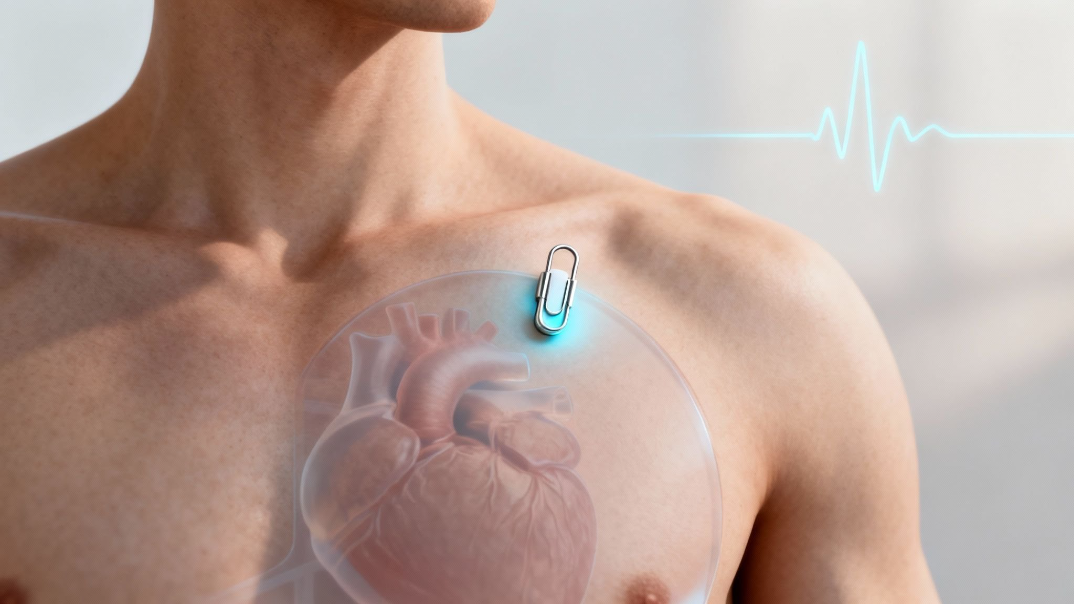
Can a Loop Recorder Detect a Heart Attack?
Heart problems are among the leading health concerns worldwide, and early detection can save lives. Many people who experience chest pain, dizziness, fainting, or irregular heartbeats are advised to undergo heart monitoring. One device that doctors often recommend is a loop recorder.
A common question many patients ask is: Can a loop recorder detect a heart attack?
The answer is a little complex. A loop recorder is mainly designed to monitor abnormal heart rhythms, but in some cases, it may help doctors notice changes related to a heart attack. Understanding how this device works can help patients better manage their heart health and know when immediate medical care is needed.
This article explains everything you need to know about loop recorders, heart attacks, how these devices work, and whether they can truly detect a heart attack.
What Is a Loop Recorder?
A loop recorder, also known as an implantable loop recorder (ILR), is a small heart-monitoring device placed under the skin of the chest. Its primary purpose is to continuously record the electrical activity of the heart over a long period of time.
Unlike standard ECG tests that only record heart activity for a few seconds or minutes, a loop recorder can monitor the heart for months or even years. This makes it useful for detecting heart rhythm problems that happen occasionally and may not appear during a regular hospital test.
Doctors usually recommend loop recorders for patients who experience:
- Unexplained fainting
- Dizziness
- Palpitations
- Irregular heartbeat
- Suspected arrhythmias
- Stroke with unknown cause
The device constantly records heart rhythms and stores unusual events for doctors to review later.
How Does a Loop Recorder Work?
A loop recorder is implanted just beneath the skin during a simple medical procedure. The device continuously records the heart’s electrical signals in a looping memory system.
When the device detects abnormal heart rhythms, it automatically saves the recording. Patients can also manually activate the device if they feel symptoms like chest pain, dizziness, or rapid heartbeat.
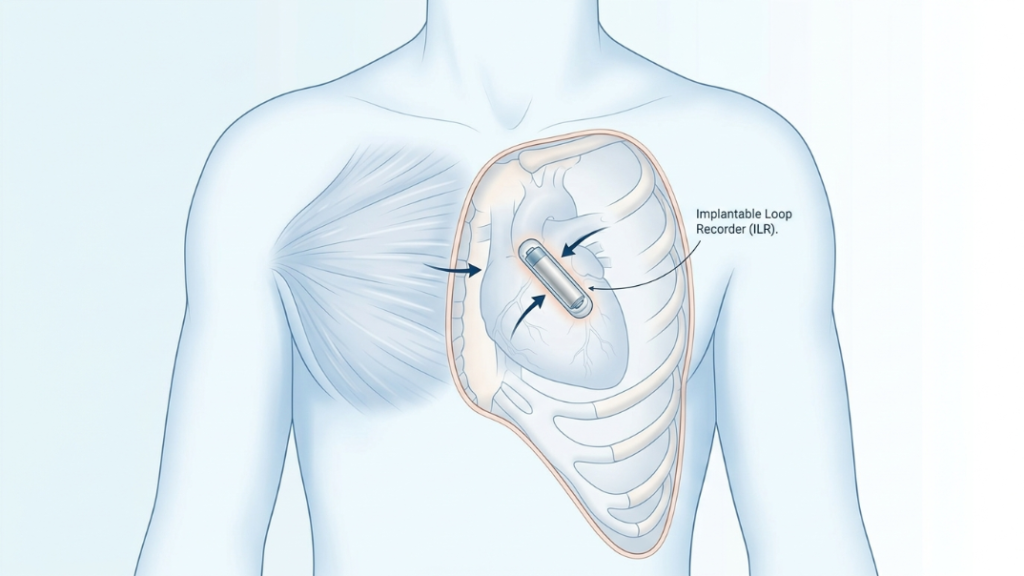
The stored data is then transmitted to healthcare providers, allowing doctors to analyze the patient’s heart activity over time.
The main goal of a loop recorder is to identify rhythm-related heart problems such as:
- Atrial fibrillation
- Bradycardia
- Tachycardia
- Irregular heart rhythms
- Sudden pauses in heartbeat
What Is a Heart Attack?
A heart attack, medically called myocardial infarction, occurs when blood flow to part of the heart muscle becomes blocked. Without enough oxygen-rich blood, part of the heart muscle begins to die.
Heart attacks are usually caused by blocked coronary arteries due to plaque buildup or blood clots.
Common symptoms of a heart attack include:
- Chest pain or pressure
- Pain in the arm, neck, jaw, or back
- Shortness of breath
- Sweating
- Nausea
- Dizziness
- Fatigue
Some heart attacks happen suddenly, while others develop slowly over several hours or days.
Can a Loop Recorder Detect a Heart Attack?
A loop recorder is not specifically designed to diagnose a heart attack directly. Its main function is to monitor heart rhythm abnormalities rather than blood flow problems in the coronary arteries.
However, the answer is not a simple yes or no.
In some situations, a loop recorder may record abnormal electrical activity caused by a heart attack. For example, if a heart attack triggers dangerous arrhythmias or sudden changes in heart rhythm, the device may capture those events.
So while a loop recorder may not directly confirm a heart attack, it can provide important clues that help doctors recognize that something serious happened.
Why Loop Recorders Are Not Primary Heart Attack Detectors
Heart attacks are mainly diagnosed using tests that evaluate blood flow and heart muscle damage. These tests include:
- Electrocardiogram (ECG)
- Blood tests for cardiac enzymes
- Echocardiogram
- Coronary angiography
- CT scans
A loop recorder only records electrical signals from the heart. It does not directly monitor blocked arteries or oxygen supply to the heart muscle.
This means the device may miss a heart attack if no significant rhythm abnormality occurs during the event.
Situations Where a Loop Recorder May Help Identify a Heart Attack
Although loop recorders are not heart attack detectors, they can still provide useful information in certain cases.

Detecting Arrhythmias Triggered by a Heart Attack
Heart attacks can disrupt the heart’s electrical system. This may cause:
- Ventricular tachycardia
- Ventricular fibrillation
- Slow heart rhythms
- Sudden cardiac arrest
A loop recorder may capture these dangerous rhythm changes, helping doctors understand what happened.
Monitoring Patients at High Cardiac Risk
Patients with previous heart disease or unexplained fainting may already have a loop recorder implanted. If they later experience a heart attack, the stored recordings can help doctors evaluate whether abnormal heart rhythms occurred during the event.
Identifying Silent Heart Problems
Some people experience silent heart attacks with very mild symptoms. If unusual rhythm disturbances occur during these episodes, the loop recorder might record them and alert doctors to investigate further.
Difference Between a Loop Recorder and an ECG
Many people confuse loop recorders with ECG machines, but they serve different purposes.
| Feature | Loop Recorder | ECG |
|---|---|---|
| Monitoring Duration | Months to years | Seconds to minutes |
| Main Purpose | Detect irregular rhythms | Diagnose heart attack and rhythm problems |
| Implant Required | Yes | No |
| Detects Blocked Arteries | No | Sometimes |
| Continuous Monitoring | Yes | No |
An ECG is far more useful for diagnosing an active heart attack because it can show changes linked to reduced blood flow in the heart muscle.
Symptoms That Should Never Be Ignored
Even if someone has a loop recorder implanted, they should never rely on it alone during a medical emergency.
Seek immediate medical attention if you experience:
- Severe chest pain
- Pressure in the chest
- Sudden shortness of breath
- Pain spreading to the jaw or arm
- Sudden sweating
- Fainting
- Extreme weakness
A loop recorder is only a monitoring tool. It does not replace emergency heart attack treatment.
Who Usually Needs a Loop Recorder?
Doctors commonly recommend implantable loop recorders for people who have unexplained symptoms that standard heart tests cannot diagnose.
You may need one if you experience:
- Frequent fainting spells
- Unexplained dizziness
- Intermittent palpitations
- Suspected atrial fibrillation
- Stroke with unknown cause
- Irregular heartbeat episodes
The device is especially useful when symptoms occur rarely and are difficult to capture during short hospital tests.
How Is a Loop Recorder Implanted?
The implantation procedure is usually quick and minimally invasive.
Procedure Steps
- The chest area is cleaned and numbed.
- A small incision is made under the skin.
- The device is inserted beneath the skin.
- The incision is closed.
The procedure often takes less than 30 minutes, and many patients go home the same day.
Are Loop Recorders Safe?
Loop recorders are generally considered safe, but like all medical devices, they have some risks.
Possible complications include:
- Infection
- Bleeding
- Skin irritation
- Device movement
- Mild pain around the implant site
Most patients tolerate the device very well.
Advantages of a Loop Recorder
Loop recorders offer several benefits for long-term heart monitoring.
Continuous Monitoring
The device records heart activity 24/7 for months or years.
Better Detection of Rare Events
Some rhythm problems happen only occasionally. Long-term monitoring improves the chances of detection.
Remote Monitoring
Many modern loop recorders send data wirelessly to healthcare providers.
Small and Comfortable
The device is very small and usually does not interfere with daily activities.
Limitations of a Loop Recorder
Despite its advantages, the device has important limitations.
Cannot Directly Detect Blocked Arteries
It only monitors electrical signals.
May Miss Some Heart Attacks
Not all heart attacks cause detectable rhythm abnormalities.
Requires Medical Interpretation
Doctors must analyze the recorded data carefully.
Not an Emergency Device
It does not provide treatment during a heart attack.
Can a Loop Recorder Prevent a Heart Attack?
A loop recorder itself cannot prevent a heart attack. However, by identifying dangerous heart rhythm problems early, it may help doctors recommend treatments that reduce overall cardiac risk.
For example, detecting atrial fibrillation early may help prevent strokes and other complications.
What Happens If the Device Detects an Abnormal Rhythm?
If the loop recorder identifies abnormal heart activity, doctors may recommend additional testing or treatment.
Possible next steps include:
- ECG testing
- Stress tests
- Echocardiogram
- Medications
- Pacemaker implantation
- Cardiac catheterization
The treatment depends on the type of abnormal rhythm detected.
Loop Recorder vs Holter Monitor
Both devices monitor heart rhythms, but they work differently.
| Feature | Loop Recorder | Holter Monitor |
|---|---|---|
| Monitoring Time | Months to years | 24–48 hours |
| Implant Needed | Yes | No |
| Best For | Rare symptoms | Frequent symptoms |
| Portability | Internal device | External monitor |
Holter monitors are better for frequent symptoms, while loop recorders help capture rare events.
Living With a Loop Recorder
Most people can continue normal daily activities after implantation.
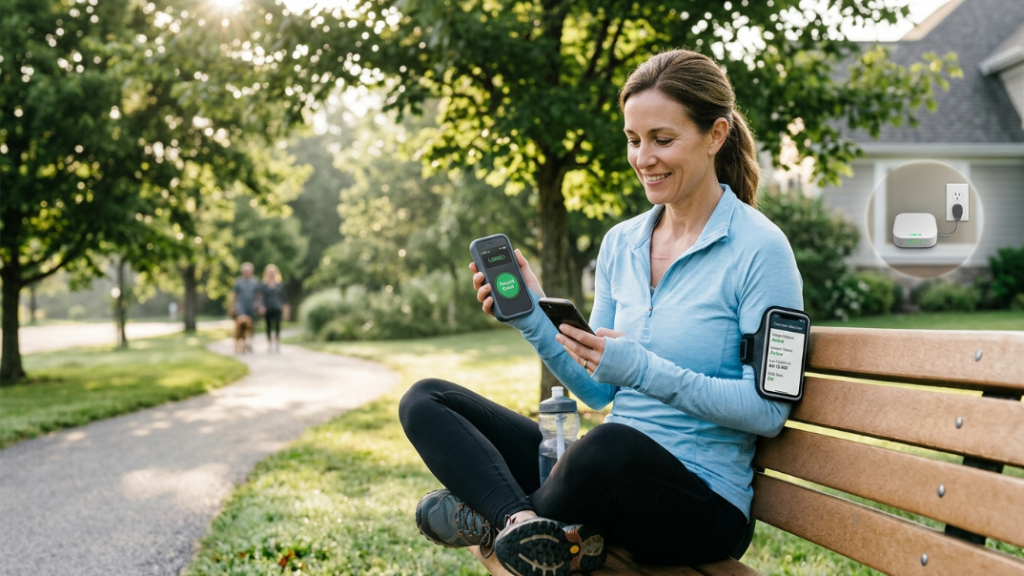
Patients should:
- Follow doctor instructions
- Attend follow-up appointments
- Keep the implant site clean
- Report unusual symptoms immediately
Many people forget they even have the device after healing.
When to See a Doctor
You should contact a doctor if you experience:
- Frequent chest pain
- Fainting
- Rapid heartbeat
- Shortness of breath
- Swelling near the implant
- Fever after implantation
Immediate evaluation is important to rule out serious heart conditions.
Final Thoughts
So, can a loop recorder detect a heart attack?
The simple answer is that a loop recorder is not specifically designed to diagnose heart attacks directly. Its primary role is to monitor abnormal heart rhythms over long periods. However, if a heart attack causes significant electrical disturbances in the heart, the device may capture those abnormal rhythms and provide useful information to doctors.
Loop recorders are valuable tools for diagnosing unexplained heart symptoms, but they should never replace emergency medical care during suspected heart attacks.
If you experience chest pain, shortness of breath, or other warning signs of a heart attack, seek immediate medical attention regardless of whether you have a loop recorder implanted.
FAQs
Can an implantable loop recorder diagnose a heart attack?
Not directly. It mainly detects abnormal heart rhythms, although it may capture rhythm changes associated with a heart attack.
What is the main purpose of a loop recorder?
Its primary purpose is to monitor long-term heart rhythm abnormalities such as arrhythmias.
Can a loop recorder detect atrial fibrillation?
Yes, loop recorders are commonly used to detect atrial fibrillation and other irregular heart rhythms.
Is a loop recorder better than an ECG?
They serve different purposes. ECGs are better for diagnosing active heart attacks, while loop recorders are better for long-term rhythm monitoring.
How long can a loop recorder stay implanted?
Most loop recorders can function for around 2 to 4 years depending on the model.
Is the implantation procedure painful?
The procedure is usually minimally invasive and causes only mild discomfort.
Can you exercise with a loop recorder?
Most patients can return to normal physical activities after recovery, but they should follow their doctor’s advice.
What symptoms should prompt emergency medical attention?
Chest pain, difficulty breathing, fainting, severe dizziness, and sudden weakness require immediate medical care.