Heart Attack Symptoms in Women – Early Warning Signs You Should Never Ignore
Heart disease is one of the leading causes of death among women worldwide, yet many women still do not recognize the warning signs of a heart attack. One of the biggest misconceptions is that heart attacks mainly affect men. In reality, women are equally at risk, and the symptoms they experience can often be different, subtle, or mistaken for less serious conditions such as stress, anxiety, indigestion, or fatigue.
Understanding heart attack symptoms in women is extremely important because early recognition and immediate medical attention can save lives. While some women experience the classic symptom of severe chest pain, many experience unusual symptoms that are easy to ignore. This delay in recognizing the signs can lead to serious complications or even death.
This article explains the common and uncommon heart attack symptoms in women, risk factors, causes, prevention methods, diagnosis, treatment options, and when to seek emergency care.
What Is a Heart Attack?
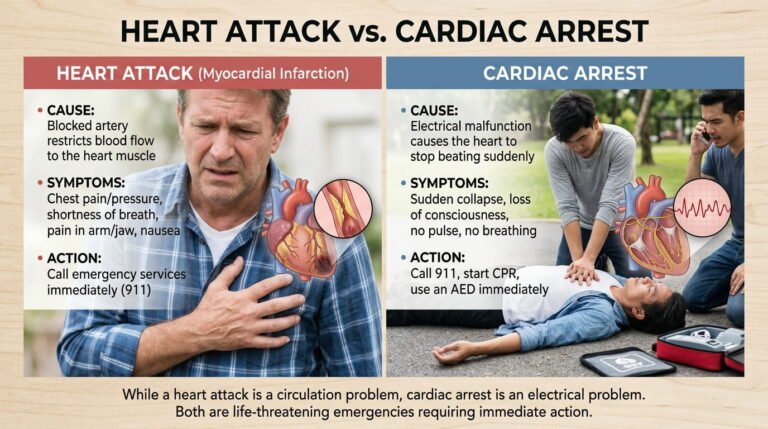
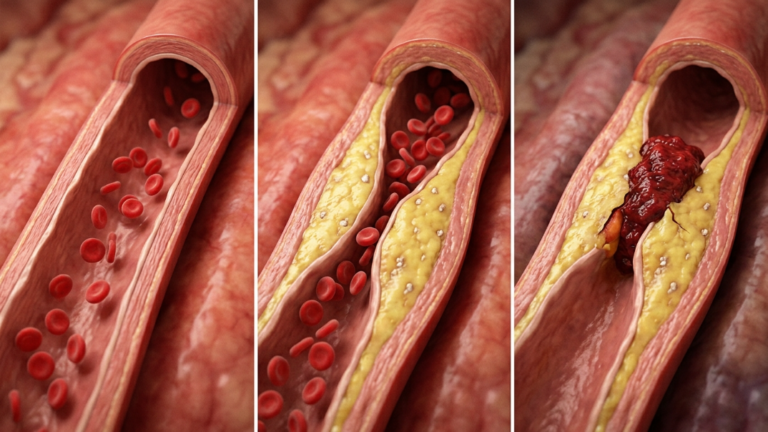
A heart attack, medically known as myocardial infarction, happens when blood flow to part of the heart becomes blocked. The blockage usually occurs because of plaque buildup in the coronary arteries. Without enough oxygen-rich blood, heart muscle tissue begins to die.
Heart attacks can happen suddenly or develop gradually over several hours or days. Women often experience symptoms differently than men, which is why awareness is essential.
Why Heart Attack Symptoms in Women Are Different
Women may experience different heart attack symptoms because of hormonal differences, smaller coronary arteries, and variations in how heart disease develops. In many cases, women have blockages in the smaller arteries of the heart instead of the major arteries commonly affected in men.
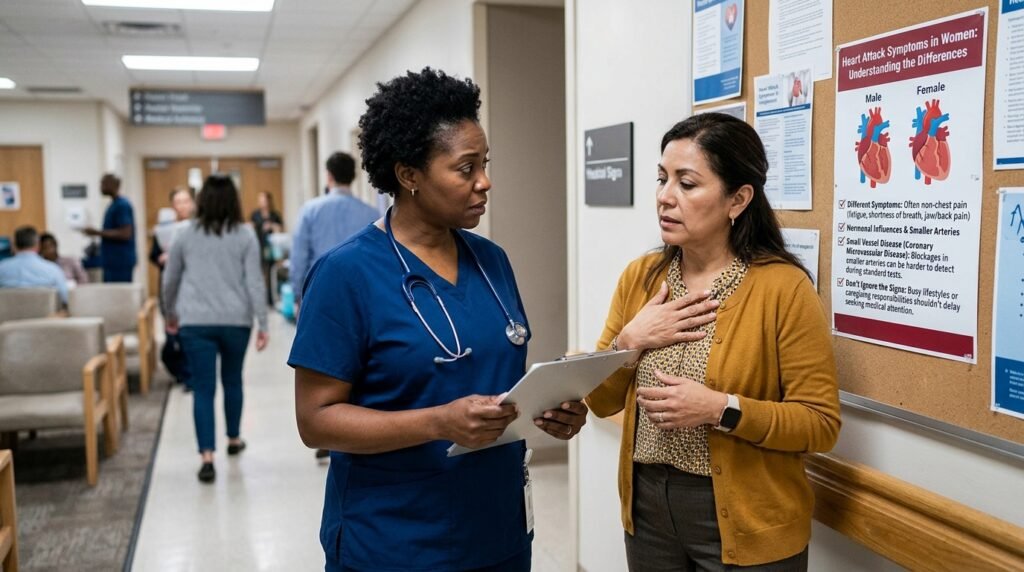
This condition is called small vessel heart disease or coronary microvascular disease. It can make symptoms harder to detect during standard medical testing.
Additionally, women are more likely to ignore symptoms due to busy lifestyles, caregiving responsibilities, or the belief that heart disease is primarily a male problem.
Common Heart Attack Symptoms in Women
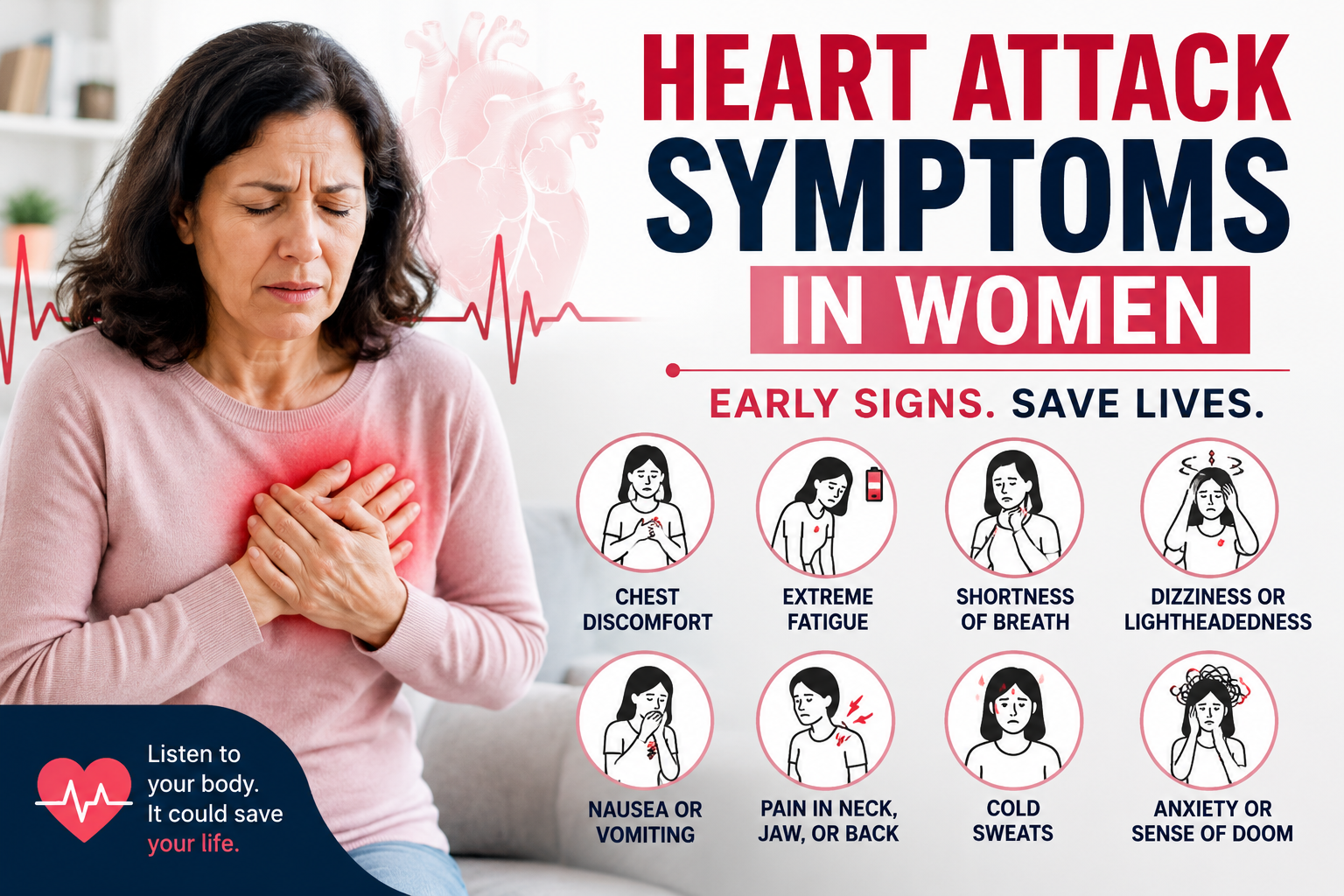
Although chest pain remains one of the most common symptoms, women frequently experience additional warning signs that may seem unrelated to the heart.
Chest Pain or Discomfort
Chest discomfort is still the most recognized heart attack symptom. Women may feel:
- Pressure in the chest
- Tightness
- Burning sensation
- Squeezing pain
- Fullness in the chest
Unlike the dramatic chest-clutching pain shown in movies, the discomfort in women may be mild or intermittent.
Some women describe it as a heavy weight pressing on the chest.
Shortness of Breath
Difficulty breathing can occur with or without chest pain. Women may suddenly feel unable to catch their breath during normal activities or even while resting.
Shortness of breath can happen before the heart attack or during it. It may feel like exhaustion after mild physical effort.
Pain in Other Parts of the Body
Women often experience pain outside the chest area. This can include:
- Neck pain
- Jaw pain
- Shoulder pain
- Upper back pain
- Arm discomfort
- Pain between the shoulder blades
The pain may spread gradually and can feel dull, aching, or sharp.
Extreme Fatigue
One of the most overlooked heart attack symptoms in women is unusual fatigue. Many women report feeling extremely tired days or weeks before a heart attack.
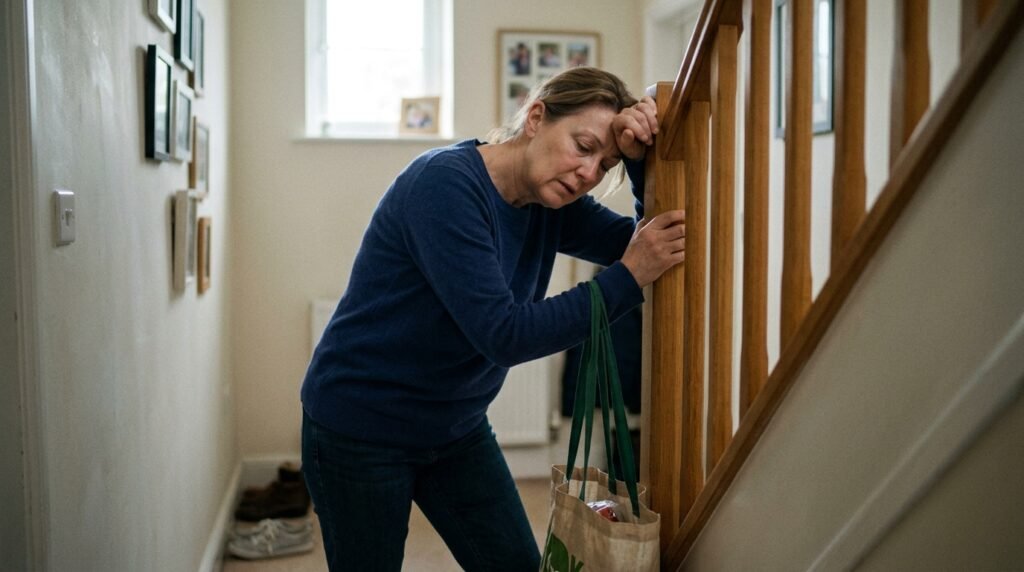
This fatigue is not normal tiredness. It may make simple daily tasks feel exhausting.
Examples include:
- Feeling drained after light activity
- Difficulty climbing stairs
- Sudden weakness
- Constant exhaustion despite rest
Nausea or Vomiting
Women are more likely than men to experience digestive symptoms during a heart attack.
These symptoms may include:
- Nausea
- Vomiting
- Upset stomach
- Indigestion
- Heartburn-like discomfort
Because these symptoms resemble digestive issues, many women delay seeking medical attention.
Dizziness or Lightheadedness
Feeling faint, dizzy, or suddenly weak can indicate reduced blood flow caused by a heart attack.
Some women describe:
- Sudden dizziness
- Feeling unsteady
- Near-fainting episodes
- Cold sweats
These symptoms should never be ignored, especially when combined with chest discomfort or shortness of breath.
Cold Sweats
Breaking out in a cold sweat without physical exertion can be a warning sign of a heart attack.
Women may feel clammy or sweaty even in cool environments.
Anxiety or Sense of Doom
Some women experience overwhelming anxiety before or during a heart attack. They may feel a sudden sense that something is seriously wrong.
Although anxiety alone does not mean a heart attack is occurring, it can accompany other warning signs.
Silent Heart Attacks in Women
A silent heart attack occurs with very mild symptoms or no obvious symptoms at all. Women are more likely than men to experience silent heart attacks.
Signs may include:
- Mild fatigue
- Slight chest discomfort
- Minor shortness of breath
- Flu-like symptoms
Because symptoms are subtle, many women do not realize they had a heart attack until later medical examinations.
Silent heart attacks can still damage the heart and increase future risk.
Early Warning Signs Before a Heart Attack
Many women notice symptoms days or weeks before a major heart attack occurs.
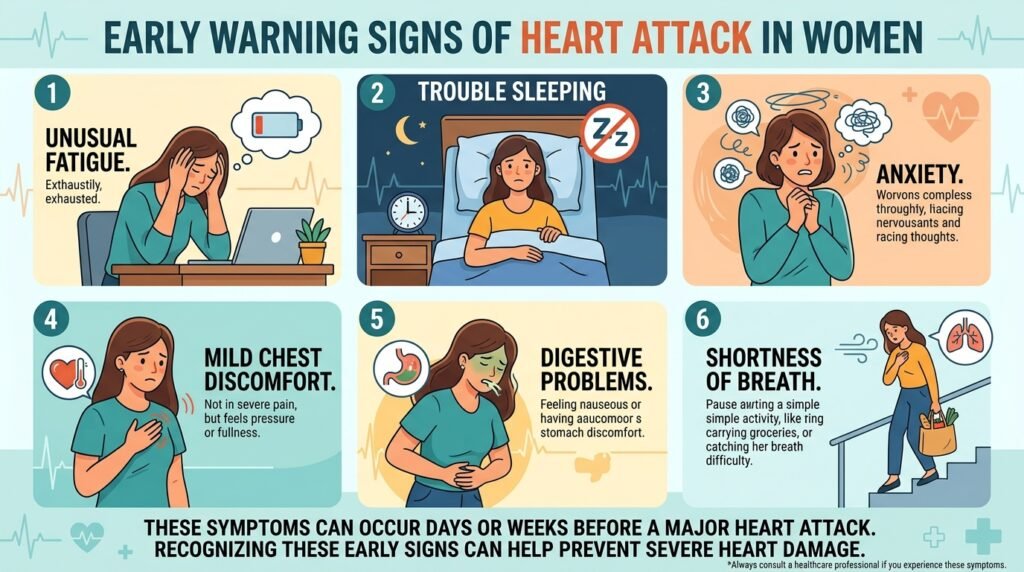
Common early warning signs include:
- Unusual fatigue
- Trouble sleeping
- Anxiety
- Mild chest discomfort
- Digestive problems
- Shortness of breath
Recognizing these early signs can help prevent severe heart damage.
Risk Factors for Heart Attacks in Women
Several factors increase a woman’s risk of developing heart disease and experiencing a heart attack.
High Blood Pressure
High blood pressure damages artery walls and increases strain on the heart.
High Cholesterol
Excess cholesterol can lead to plaque buildup in the arteries, restricting blood flow.
Diabetes
Women with diabetes have a significantly higher risk of heart disease compared to men with diabetes.
Smoking
Smoking damages blood vessels, reduces oxygen levels, and greatly increases heart attack risk.
Obesity
Excess body weight contributes to high blood pressure, diabetes, and cholesterol problems.
Lack of Physical Activity
A sedentary lifestyle weakens the cardiovascular system and increases heart disease risk.
Family History
A family history of heart disease can increase genetic susceptibility.
Stress and Depression
Chronic stress and depression may affect heart health by increasing blood pressure and inflammation.
Menopause
After menopause, declining estrogen levels may increase the risk of heart disease.
Autoimmune Diseases
Conditions such as lupus and rheumatoid arthritis are linked to higher cardiovascular risk in women.
Causes of Heart Attacks in Women
Heart attacks are primarily caused by reduced blood flow to the heart.
Common causes include:
- Coronary artery disease
- Plaque rupture
- Blood clots
- Coronary artery spasms
- Small vessel disease
In rare cases, spontaneous coronary artery dissection can occur, especially in younger women.
Heart Attack Symptoms by Age
Younger Women
Women under 50 may experience:
- Fatigue
- Jaw pain
- Anxiety
- Nausea
- Chest tightness
Hormonal changes, smoking, stress, and birth control pills combined with smoking may increase risk.
Older Women
Older women are more likely to have:
- Severe shortness of breath
- Weakness
- Confusion
- Dizziness
- Silent heart attacks
Age-related conditions such as diabetes and hypertension further increase risk.
Difference Between Heart Attack Symptoms in Men and Women
While both men and women can experience chest pain, women often have less obvious symptoms.
Common Male Symptoms
- Crushing chest pain
- Left arm pain
- Sweating
Common Female Symptoms
- Fatigue
- Nausea
- Back pain
- Jaw pain
- Shortness of breath
- Mild chest discomfort
Because women’s symptoms are sometimes atypical, diagnosis may be delayed.
When to Seek Emergency Help
Call emergency services immediately if you experience:
- Chest pain lasting more than a few minutes
- Severe shortness of breath
- Sudden weakness
- Pain spreading to the jaw or arms
- Cold sweats
- Fainting
Do not attempt to drive yourself if symptoms are severe.
Quick treatment can minimize heart damage and save your life.
How Doctors Diagnose Heart Attacks in Women
Doctors use several methods to diagnose a heart attack.
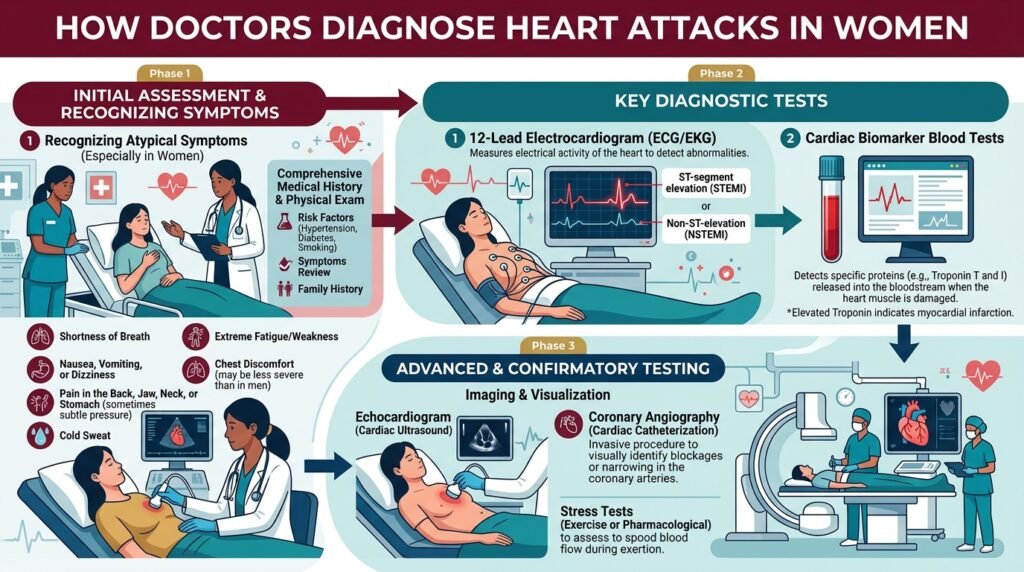
Electrocardiogram (ECG)
An ECG measures the heart’s electrical activity and identifies abnormalities.
Blood Tests
Blood tests detect proteins released when heart muscle is damaged.
Echocardiogram
This ultrasound test shows heart function and blood flow.
Coronary Angiography
Doctors use dye and imaging to locate blocked arteries.
Stress Tests
Stress tests help evaluate heart performance during activity.
Treatment for Heart Attacks in Women
Treatment depends on the severity and cause of the heart attack.
Medications
Doctors may prescribe:
- Blood thinners
- Aspirin
- Cholesterol-lowering drugs
- Beta blockers
- Nitroglycerin
Angioplasty and Stents
A balloon opens blocked arteries, and a stent helps keep them open.
Coronary Artery Bypass Surgery
Severe blockages may require bypass surgery to restore blood flow.
Lifestyle Changes
Recovery often includes:
- Healthy diet
- Regular exercise
- Smoking cessation
- Weight management
- Stress reduction
How Women Can Prevent Heart Attacks
Prevention is one of the most effective ways to protect heart health.
Eat a Heart-Healthy Diet
Focus on:
- Fruits
- Vegetables
- Whole grains
- Lean proteins
- Healthy fats
Limit:
- Salt
- Sugar
- Fried foods
- Processed foods
Exercise Regularly
Aim for at least 150 minutes of moderate exercise weekly.
Activities may include:
- Walking
- Swimming
- Cycling
- Yoga
Maintain Healthy Blood Pressure and Cholesterol
Regular medical checkups help detect problems early.
Quit Smoking
Stopping smoking significantly reduces heart disease risk.
Manage Stress
Stress management techniques include:
- Meditation
- Deep breathing
- Exercise
- Counseling
Get Quality Sleep
Poor sleep increases heart disease risk. Women should aim for 7–9 hours of sleep nightly.
Control Diabetes
Proper diabetes management reduces blood vessel damage and heart complications.
Heart Attacks During Pregnancy
Although rare, heart attacks can occur during pregnancy or shortly after childbirth.
Risk factors include:
- High blood pressure during pregnancy
- Obesity
- Diabetes
- Older maternal age
Symptoms may resemble normal pregnancy discomfort, making diagnosis difficult.
Immediate medical evaluation is essential.
Emotional Impact After a Heart Attack
Women often experience emotional challenges after a heart attack, including:
- Anxiety
- Depression
- Fear of recurrence
- Stress
Support from healthcare providers, family, and counseling services can improve recovery.
Importance of Awareness
Many women underestimate their heart disease risk. Increased awareness can help women recognize symptoms earlier and seek treatment faster.
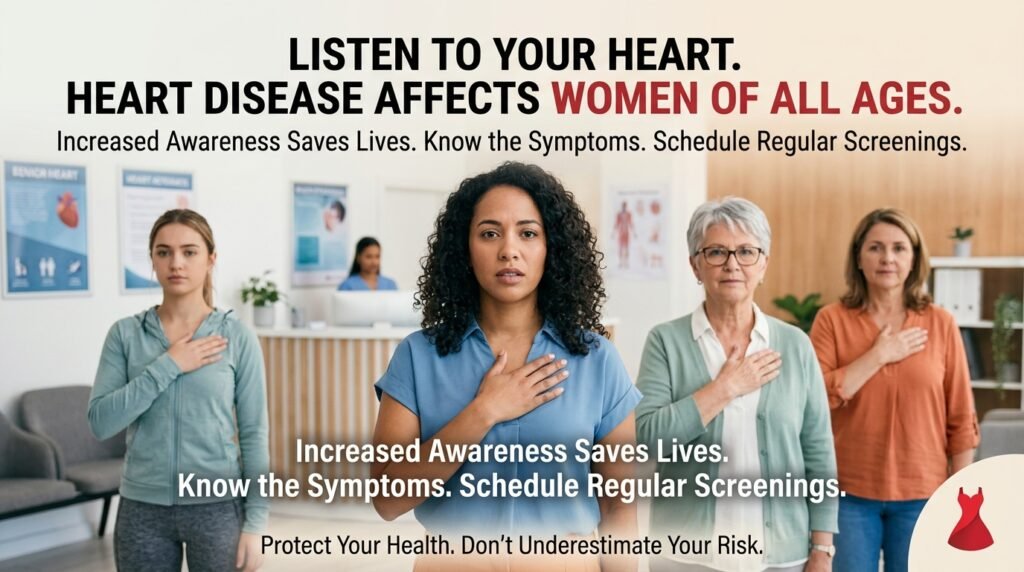
Education campaigns and regular health screenings are improving awareness, but more progress is still needed.
Understanding that heart disease affects women of all ages is critical.
Frequently Asked Questions
Can women have a heart attack without chest pain?
Yes. Many women experience symptoms such as fatigue, nausea, shortness of breath, or back pain without severe chest pain.
Are heart attack symptoms in women always sudden?
No. Symptoms may develop slowly over several hours, days, or weeks.
What is the most common heart attack symptom in women?
Chest discomfort is common, but fatigue and shortness of breath are also very frequent.
Can stress cause a heart attack?
Chronic stress may increase the risk of heart disease and trigger heart problems in some individuals.
Do younger women get heart attacks?
Yes. Although risk increases with age, younger women can also experience heart attacks.
Conclusion
Heart attack symptoms in women are often different from the classic signs commonly associated with men. While chest pain can occur, many women experience more subtle symptoms such as fatigue, nausea, jaw pain, back pain, dizziness, and shortness of breath.
Because symptoms may seem mild or unrelated to the heart, women sometimes delay seeking medical care. This delay can be dangerous and increase the risk of severe heart damage or death.
Recognizing the warning signs, understanding personal risk factors, and seeking immediate medical attention can save lives. Maintaining a healthy lifestyle, managing stress, exercising regularly, and attending routine medical checkups are essential steps in preventing heart disease.
Women should never ignore unusual symptoms, especially when they appear suddenly or worsen over time. Early action remains one of the most powerful tools in protecting heart health.