Gabapentin: Uses, Dosage, Side Effects, and Everything You Need to Know
Gabapentin is one of the most commonly prescribed medications in the United States and around the world, originally developed to treat seizures but now widely used for nerve pain, anxiety, and even sleep issues. If you or someone you know has been prescribed gabapentin, understanding how it works, what to expect, and what precautions to take can make a real difference in treatment outcomes.
This comprehensive guide covers everything from gabapentin’s mechanism of action to its side effects, dosage forms, interactions, and withdrawal considerations.
What Is Gabapentin?
Gabapentin is a prescription medication originally approved by the FDA in 1993 to treat partial seizures in people with epilepsy. Over time, doctors discovered it was also highly effective for managing nerve-related pain, and its use expanded significantly beyond its original purpose. Today, it is one of the most frequently prescribed medications in the world for both neurological and pain-related conditions.
Chemically, gabapentin is structurally similar to the neurotransmitter GABA (gamma-aminobutyric acid), though it does not actually bind to GABA receptors. Instead, it works through a different mechanism that affects how nerves send pain signals to the brain.
Gabapentin Brand Name
Gabapentin is sold under several brand names, the most common being:
- Neurontin – the original and most widely recognized brand
- Gralise – an extended-release formulation
- Horizant – a extended-release version specifically approved for restless legs syndrome and post-herpetic neuralgia
Generic gabapentin is also widely available and is typically more affordable than brand-name versions, with the same active ingredient and similar effectiveness.
Gabapentin Drug Class
Gabapentin belongs to a drug class known as anticonvulsants, also referred to as antiepileptic drugs (AEDs). More specifically, it is classified as a gabapentinoid, a subclass that also includes pregabalin (Lyrica). Gabapentinoids are structurally related to GABA but work through distinct mechanisms in the nervous system.
Gabapentin Mechanism of Action
Understanding the gabapentin mechanism of action helps explain why it’s effective for such a wide range of conditions. Gabapentin binds to a specific subunit (alpha-2-delta) of voltage-gated calcium channels in the central nervous system. By binding to these channels, gabapentin reduces the release of certain excitatory neurotransmitters, including glutamate, norepinephrine, and substance P.
This action helps to:
- Calm overactive nerve signals that cause seizures
- Reduce the transmission of pain signals from damaged nerves
- Produce a calming effect that can help with anxiety and sleep
Unlike many other psychiatric or pain medications, gabapentin does not act on opioid receptors, which is one reason it was historically considered to have a lower risk of dependence compared to opioids — though this understanding has evolved over time.
What Is Gabapentin Used For?
So, what is gabapentin prescribed for? While it started as an epilepsy treatment, gabapentin uses have expanded considerably. Below are the primary FDA-approved and off-label uses.
Gabapentin Uses (FDA-Approved)
- Partial seizures – used alone or alongside other anticonvulsant medications
- Postherpetic neuralgia – nerve pain that persists after a shingles outbreak
- Restless legs syndrome (RLS) – specifically the extended-release form (Horizant)
Off-Label Gabapentin Uses
Doctors also prescribe gabapentin off-label for a variety of conditions, including:
- Diabetic neuropathy
- Fibromyalgia
- Chronic back pain
- Migraine prevention
- Alcohol withdrawal support
- Hot flashes related to menopause
- Anxiety disorders
- Sleep difficulties
Gabapentin for Nerve Pain
One of the most well-established uses of gabapentin is for nerve pain, also called neuropathic pain. This type of pain occurs when nerves are damaged or irritated, sending abnormal pain signals to the brain even without an obvious injury.
Gabapentin for nerve pain is commonly prescribed for:
- Diabetic peripheral neuropathy
- Postherpetic neuralgia (shingles pain)
- Nerve pain from spinal issues
- Chemotherapy-induced neuropathy in some cases
By calming overactive nerve signaling, gabapentin can reduce burning, tingling, shooting, or stabbing pain sensations that are often resistant to standard pain relievers like acetaminophen or ibuprofen.
Gabapentin for Anxiety
Although not FDA-approved specifically for anxiety, gabapentin for anxiety is a fairly common off-label use, particularly for generalized anxiety disorder or social anxiety. Some research suggests gabapentin may help reduce anxiety symptoms by calming excessive nervous system activity.
Does gabapentin help with anxiety? Many patients report a noticeable calming effect, and it is sometimes used:
- As an add-on treatment alongside other anxiety medications
- For anxiety related to alcohol or substance withdrawal
- Short-term for situational anxiety, such as pre-surgery nervousness
That said, it is not typically considered a first-line anxiety treatment, and SSRIs or SNRIs are generally preferred as primary options. Gabapentin’s role is usually supplementary or reserved for cases where other treatments haven’t worked well.
Gabapentin for Sleep
Gabapentin for sleep is another off-label use that has grown in popularity. Because gabapentin has sedating properties, some doctors prescribe low doses to help patients who struggle with insomnia, particularly when sleep issues are connected to chronic pain, anxiety, or restless legs syndrome.
It’s important to note that gabapentin is not a traditional sleep medication and isn’t usually the first choice for standalone insomnia treatment, but it can be helpful when sleep problems overlap with pain or nerve-related conditions.
Gabapentin Dosage
Gabapentin dosage varies significantly depending on the condition being treated, the patient’s age, kidney function, and individual response to the medication. Dosing is always determined by a healthcare provider and should never be self-adjusted.
General Dosage Patterns
- Seizures: Often started at a low dose and gradually increased, sometimes reaching several hundred to over a thousand milligrams per day, divided into multiple doses
- Nerve pain (postherpetic neuralgia): Frequently titrated upward over several days to weeks
- Restless legs syndrome: Usually taken as a single evening dose
Gabapentin 100mg
Gabapentin 100mg capsules are often used as a starting dose, particularly for older adults, individuals with reduced kidney function, or when treatment is just beginning. This lower strength allows doctors to gradually titrate the dose upward while monitoring for side effects.
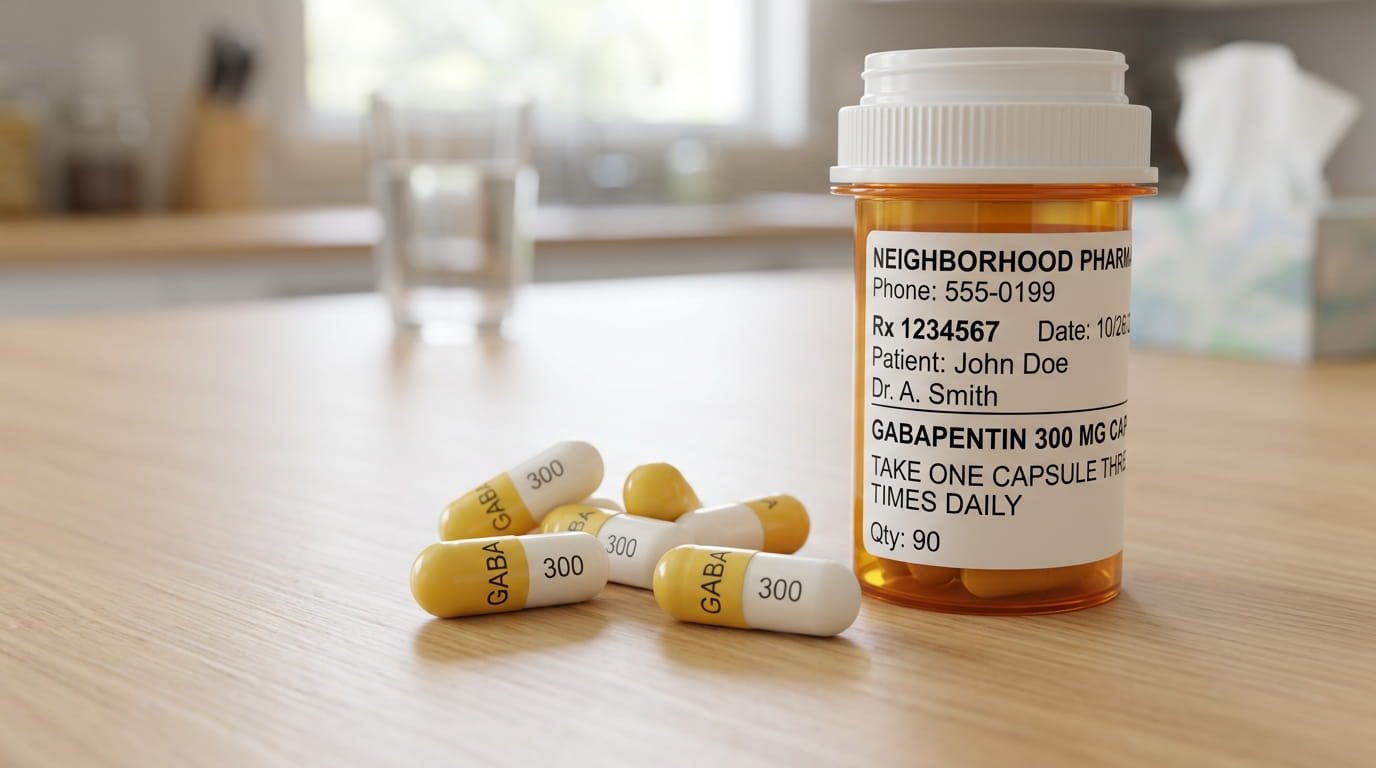
Gabapentin 300mg
Gabapentin 300mg is one of the most commonly prescribed strengths and is often used as a standard maintenance dose once a patient has been titrated up from a lower starting amount. It may be taken once, twice, or three times daily depending on the condition and treatment plan.
Because gabapentin dosage is highly individualized, patients should always follow their prescriber’s specific instructions rather than general guidelines, and never adjust their dose without medical supervision.
How Long Does It Take for Gabapentin to Work?
A common question is: how long does it take for gabapentin to work? The answer depends on what it’s being used for.
- For seizures: Effects on seizure control may take several weeks as the dose is gradually titrated to an effective level
- For nerve pain: Some patients notice improvement within a few days to two weeks, though full benefits may take longer
- For anxiety or sleep: Calming effects may be felt within hours of the first dose, but consistent benefit often builds over days to weeks
Because gabapentin is usually started at a low dose and increased gradually, patients often don’t feel the full therapeutic effect until they reach their target dose.
Gabapentin Half-Life
Gabapentin half-life is approximately 5 to 7 hours in adults with normal kidney function. This relatively short half-life is why gabapentin is typically taken multiple times per day (two or three times daily) to maintain steady levels in the body.
In people with impaired kidney function, the half-life can be significantly longer, which is why dosage adjustments are necessary for patients with kidney disease.
How Long Does Gabapentin Stay in Your System?
Related to its half-life, a frequent question is how long does gabapentin stay in your system. As a general rule of thumb, it takes about 5 half-lives for a drug to be mostly eliminated from the body. Given gabapentin’s half-life of roughly 5-7 hours, this means it is largely cleared from the system within approximately 1 to 2 days for someone with normal kidney function.
However, detection windows in drug tests can vary based on:
- Dosage and duration of use
- Kidney function
- Individual metabolism
- The specific type of drug test used
Gabapentin Side Effects
Like all medications, gabapentin side effects can range from mild to more serious. Understanding these can help patients know what to watch for and when to contact a healthcare provider.
Common Gabapentin Side Effects
- Drowsiness or fatigue
- Dizziness
- Coordination problems (ataxia)
- Blurred or double vision
- Dry mouth
- Swelling in the hands, legs, or feet (edema)
- Difficulty concentrating
- Nausea
Less Common but Serious Side Effects
- Mood changes, including new or worsening depression
- Suicidal thoughts (rare, but requires immediate medical attention)
- Severe allergic reactions
- Difficulty breathing
- Signs of a serious skin reaction
Anyone experiencing severe or concerning symptoms should contact their doctor or seek emergency care promptly.
Does Gabapentin Make You Sleepy?
Yes — does gabapentin make you sleepy is one of the most frequently asked questions, and the answer is generally yes, especially when first starting the medication or after a dose increase. Drowsiness and fatigue are among the most commonly reported side effects.
This sedating effect is part of why gabapentin is sometimes used off-label for sleep, but it also means patients should be cautious about:
- Driving or operating heavy machinery, especially when starting treatment
- Combining gabapentin with other sedating substances
- Adjusting daily activities until they understand how the medication affects them
For many patients, drowsiness lessens somewhat as the body adjusts to the medication over time.
Does Gabapentin Cause Weight Gain?
Does gabapentin cause weight gain is another common concern. Weight gain has been reported as a possible side effect in some patients, though it doesn’t affect everyone. Contributing factors may include:
- Increased appetite
- Fluid retention (edema)
- Reduced activity levels due to fatigue or drowsiness
If weight gain becomes a concern during treatment, it’s worth discussing with a healthcare provider, who can evaluate whether it’s related to the medication or other factors and discuss possible management strategies.
Gabapentin Interactions
Gabapentin interactions with other substances and medications are an important safety consideration. While gabapentin has fewer major drug interactions compared to many medications, certain combinations can increase risks.
Notable Gabapentin Interactions
- Opioids: Combining gabapentin with opioid pain medications significantly increases the risk of severe drowsiness and respiratory depression
- Benzodiazepines: Increases sedation and central nervous system depression
- Antacids: Can reduce gabapentin absorption; it’s often recommended to take gabapentin at least two hours after antacids
- Other sedating medications: Sleep aids, muscle relaxants, and certain antihistamines can compound drowsiness
Always inform your doctor and pharmacist about all medications and supplements you’re taking to avoid potentially dangerous interactions.
Gabapentin and Alcohol
Mixing gabapentin and alcohol is strongly discouraged. Both substances depress the central nervous system, and combining them can lead to:
- Intensified drowsiness and dizziness
- Impaired coordination and judgment
- Increased risk of respiratory depression
- Higher risk of accidents or falls
Even moderate alcohol consumption while taking gabapentin can amplify side effects unpredictably, so it’s generally recommended to avoid alcohol entirely while on this medication, or at minimum discuss safe limits with a healthcare provider.
Is Gabapentin Addictive?
Is gabapentin addictive is a question that has gained more attention in recent years. While gabapentin was once thought to carry a low risk of misuse, growing evidence shows that it does have potential for dependence and misuse, particularly in people with a history of substance use disorders, especially opioid use.
Some individuals misuse gabapentin because, at high doses, it can produce feelings of relaxation or euphoria. This has led to increased monitoring and, in some regions, reclassification of the drug.
Is Gabapentin a Controlled Substance?
Is gabapentin a controlled substance depends largely on location. At the federal level in the United States, gabapentin is not classified as a controlled substance under the Controlled Substances Act. However, due to rising concerns about misuse, several individual states have reclassified gabapentin as a Schedule V controlled substance, requiring closer prescription monitoring.
This state-by-state variation means regulations, refill policies, and prescription monitoring can differ significantly depending on where a patient lives.
Gabapentin Withdrawal
Gabapentin withdrawal can occur if the medication is stopped abruptly, particularly after regular or long-term use. Because gabapentin affects the central nervous system, suddenly discontinuing it can cause a rebound effect.
Common Gabapentin Withdrawal Symptoms
- Anxiety
- Insomnia
- Nausea
- Sweating
- Increased heart rate
- In more severe cases, seizures (especially in people being treated for epilepsy)
To avoid withdrawal symptoms, doctors typically recommend tapering the dose gradually rather than stopping suddenly. Anyone wishing to discontinue gabapentin should work closely with their healthcare provider to create a safe tapering schedule.
Who Should Use Caution With Gabapentin?
Certain individuals should discuss potential risks carefully with their doctor before starting gabapentin, including those who:
- Have a history of substance use disorder
- Have kidney disease or impaired kidney function
- Are pregnant or breastfeeding
- Have a history of depression or suicidal thoughts
- Are taking opioids or other sedating medications
- Are older adults, who may be more sensitive to side effects like dizziness and drowsiness
Final Thoughts on Gabapentin
Gabapentin is a versatile medication that has helped countless patients manage seizures, nerve pain, and other challenging conditions. However, like any medication, it comes with potential side effects, interaction risks, and considerations around long-term use and withdrawal.
If you’ve been prescribed gabapentin, the best approach is open communication with your healthcare provider — asking questions about dosage, expected timelines for relief, and what side effects to watch for. This medication can be highly effective when used appropriately and under proper medical supervision.
This article is for informational purposes only and is not a substitute for professional medical advice. Always consult a qualified healthcare provider before starting, stopping, or adjusting any medication.
Frequently Asked Questions (FAQs)
1. What is gabapentin used for? Gabapentin is primarily used to treat seizures, nerve pain (such as postherpetic neuralgia), and restless legs syndrome. It’s also used off-label for conditions like diabetic neuropathy, anxiety, and sleep issues.
2. What is the standard starting dose of gabapentin? Starting doses vary by condition and patient, but treatment often begins with a lower strength, such as gabapentin 100mg, before gradually increasing to an effective maintenance dose like 300mg or higher, under medical supervision.
3. Does gabapentin make you sleepy? Yes, drowsiness and fatigue are among the most commonly reported gabapentin side effects, particularly when starting treatment or increasing the dose.
4. Does gabapentin cause weight gain? Weight gain is a possible side effect for some patients, potentially linked to increased appetite, fluid retention, or reduced activity due to fatigue.
5. How long does it take for gabapentin to work? For nerve pain, some relief may be noticed within days to two weeks. For seizure control, it can take several weeks of dose titration to reach full effectiveness.
6. How long does gabapentin stay in your system? With a half-life of roughly 5-7 hours in people with normal kidney function, gabapentin is generally cleared from the body within about 1-2 days, though this can vary.
7. Is gabapentin addictive? Gabapentin does carry a risk of dependence and misuse, particularly in individuals with a history of substance use disorders. It should be used exactly as prescribed.
8. Is gabapentin a controlled substance? It is not federally controlled in the U.S., but several states have classified it as a Schedule V controlled substance due to misuse concerns.
9. Can you drink alcohol while taking gabapentin? It’s generally recommended to avoid alcohol while taking gabapentin, as the combination can intensify drowsiness, dizziness, and other central nervous system effects.
10. What happens if you stop taking gabapentin suddenly? Abruptly stopping gabapentin can cause withdrawal symptoms such as anxiety, insomnia, nausea, and in some cases, seizures. A gradual tapering schedule under medical guidance is recommended.
11. Does gabapentin help with anxiety? While not FDA-approved for anxiety, gabapentin is sometimes used off-label and may help reduce anxiety symptoms for some patients, often as an add-on treatment.
12. What drug class does gabapentin belong to? Gabapentin is classified as an anticonvulsant and more specifically as a gabapentinoid.
13. Can gabapentin interact with other medications? Yes, notable interactions include opioids, benzodiazepines, and antacids. Always inform your doctor of all medications you’re taking.
14. What is the difference between gabapentin 100mg and 300mg? These are simply different dosage strengths. 100mg is often used as a starting dose, while 300mg is a common maintenance dose, with the exact amount determined by a healthcare provider.
15. Is gabapentin safe for long-term use? Many patients use gabapentin safely long-term under medical supervision, though regular follow-ups are important to monitor side effects, effectiveness, and any signs of dependence.