Can Tens Unit Cause Heart Attack – Complete Safety Guide
TENS therapy has become one of the most popular non-invasive pain relief methods in recent years. Millions of people worldwide use TENS machines to manage muscle pain, joint discomfort, back pain, arthritis, and nerve-related conditions. Despite its popularity, many people still wonder: can a TENS unit cause a heart attack?
This question usually comes from concerns about electricity and the heart. Since a TENS unit sends electrical impulses into the body, some users worry that it could interfere with heart rhythms or trigger dangerous cardiovascular problems. These concerns become even more serious for individuals with existing heart disease, pacemakers, arrhythmias, or high blood pressure.
In general, medical experts consider TENS therapy safe when used correctly. Research has not shown strong evidence that a properly used TENS machine directly causes heart attacks in healthy individuals. However, there are important warnings and precautions people should understand before using the device.
This article explains how TENS therapy works, whether it can affect the heart, what science says about the risks, who should avoid TENS therapy, and how to use the machine safely.
What Is a TENS Unit?
A TENS unit, short for Transcutaneous Electrical Nerve Stimulation, is a small electronic device designed to reduce pain through mild electrical stimulation. The machine connects to sticky electrode pads that are placed on the skin near the painful area.
The device sends low-voltage electrical pulses through the skin to stimulate nerves. These impulses may help block pain signals from reaching the brain while also encouraging the body to release endorphins, which are natural pain-relieving chemicals.
TENS therapy is commonly used for:
- Back pain
- Neck pain
- Arthritis
- Muscle soreness
- Sports injuries
- Joint pain
- Sciatica
- Fibromyalgia
- Nerve pain
Many physical therapists, chiropractors, and pain specialists recommend TENS therapy as part of pain management programs because it is drug-free and non-surgical.
How Does a TENS Machine Work?
The human nervous system constantly sends pain signals to the brain. A TENS unit works by interfering with those signals using electrical impulses.

The theory behind TENS therapy is based on the “gate control theory” of pain. According to this theory, electrical stimulation can reduce the brain’s ability to recognize pain signals coming from injured areas.
The machine may also stimulate blood flow and muscle relaxation. Some users feel immediate relief, while others need repeated sessions before noticing improvements.
Different TENS machines offer adjustable settings such as:
- Pulse intensity
- Frequency 406-308-2205
- Treatment duration
- Massage modes
The electrical pulses are usually mild and should not cause severe discomfort. Most users describe the sensation as tingling or buzzing.
Can a TENS Unit Cause a Heart Attack?
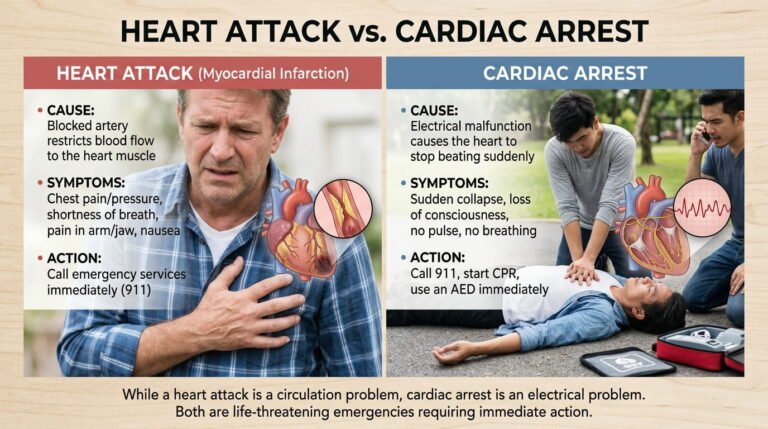
The direct answer is that a TENS unit is not generally known to cause heart attacks in healthy individuals when used properly. Medical studies have not proven that standard TENS therapy directly triggers heart attacks.
However, there are situations where TENS therapy could become risky.
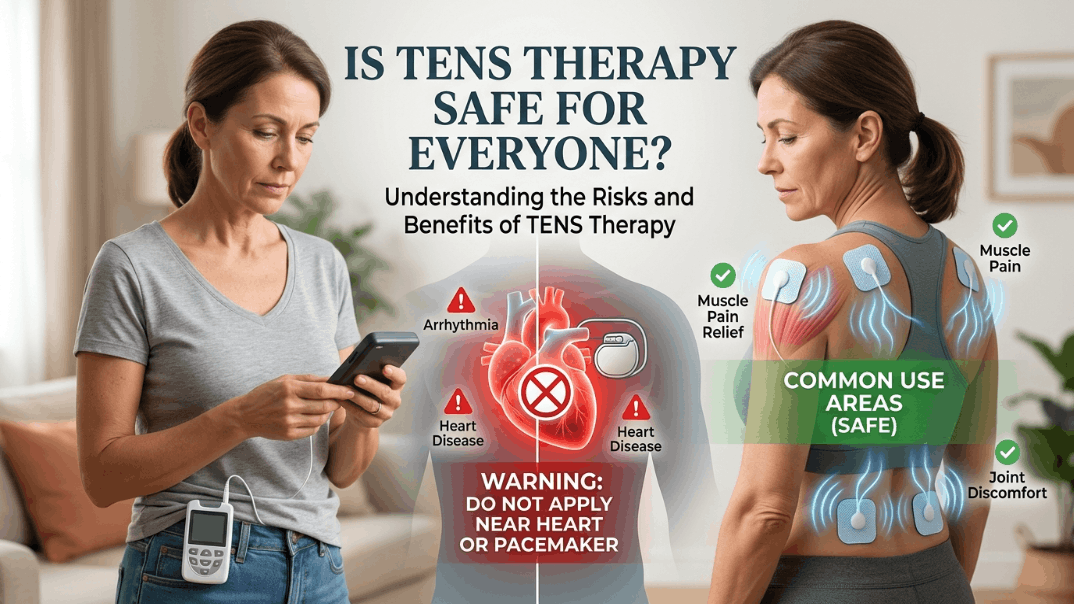
Because the heart functions through electrical signals, improperly placing TENS pads near the chest may potentially interfere with heart rhythm in sensitive individuals. This is especially important for people who already have cardiovascular disease or implanted medical devices.
While rare, electrical stimulation could theoretically trigger abnormal heart rhythms in vulnerable patients. Severe arrhythmias can sometimes increase the risk of cardiac complications.
For this reason, many healthcare professionals recommend caution when using TENS machines around the chest or upper body.
Why People Worry About TENS and Heart Problems
Many people associate electricity with the heart because medical devices such as defibrillators and pacemakers use electrical signals to control heart rhythm.
Since a TENS unit also produces electrical impulses, users naturally question whether it could affect the heart in dangerous ways.
Several factors contribute to these fears:
- Chest electrode placement
- Online stories about palpitations
- Misuse of the device
- Existing heart conditions
- Lack of medical guidance
- Internet discussions and Reddit experiences
Although most fears are based on caution rather than scientific proof, the concerns should still be taken seriously.
Who Should Avoid Using a TENS Unit?
Certain individuals should avoid TENS therapy unless approved by a healthcare professional.
People With Pacemakers
TENS machines may interfere with pacemaker function if electrodes are placed near the chest. The electrical signals could potentially confuse the implanted device.
Individuals With Heart Arrhythmias
People with irregular heartbeats may face higher risks because electrical stimulation could affect cardiac rhythm.
Patients Recovering From a Heart Attack
Recently recovering heart patients should avoid unsupervised TENS use until cleared by their doctor.
Individuals With Implanted Defibrillators
Implanted cardioverter defibrillators may malfunction if affected by nearby electrical stimulation.
Pregnant Women
Some healthcare providers recommend avoiding TENS use during pregnancy unless medically supervised.
Symptoms That Should Never Be Ignored
If someone experiences unusual symptoms while using a TENS machine, they should stop immediately and seek medical attention.
Warning signs include:
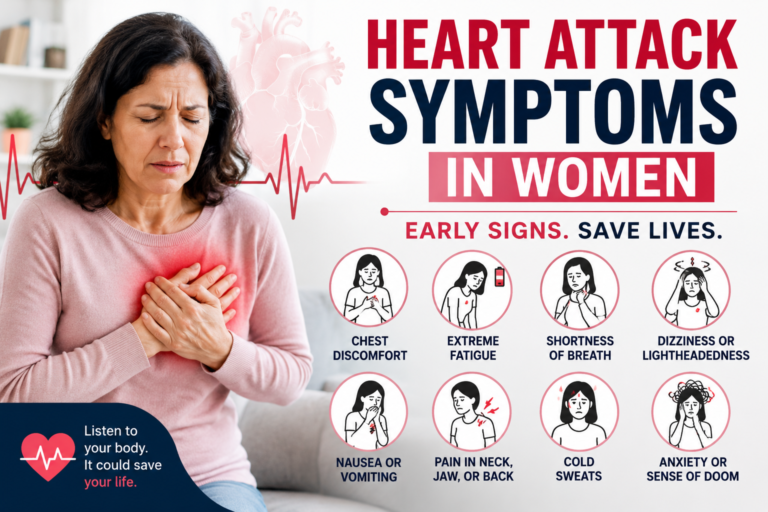
- Chest pain
- Shortness of breath
- Rapid heartbeat
- Irregular heartbeat
- Dizziness
- Fainting
- Severe discomfort
- Sudden weakness
These symptoms do not always mean a heart attack, but they should be evaluated by a medical professional.
Can Chest Placement Be Dangerous?
One of the biggest safety concerns involves placing TENS pads near the chest.
Most manufacturers warn users not to place electrodes:
- Directly over the heart
- Across the chest
- On the front of the neck
- Near implanted devices
Improper placement could potentially affect nerve signals or heart rhythm in sensitive individuals.
Using TENS on the back, shoulders, legs, or joints is generally considered safer than placing pads across the chest area.
What Medical Research Says
Research on TENS therapy has mostly focused on pain relief rather than heart attack risk. Overall, studies suggest that TENS therapy is relatively safe when used correctly.
Some medical studies have even explored TENS therapy for patients with angina and cardiovascular rehabilitation under professional supervision. However, these treatments are carefully monitored by healthcare providers.
There is currently no strong evidence showing that standard home TENS use directly causes heart attacks in healthy users.
Still, experts continue to advise caution for people with:
- Heart disease
- Pacemakers
- Arrhythmias
- Implanted cardiac devices
Can TENS Unit Cause Heart Attack Reddit Discussions
Online discussions frequently raise questions like “can tens unit cause heart attack reddit” because many users share personal experiences, fears, and symptoms after using TENS machines.
Some Reddit users report sensations such as:
- Heart palpitations
- Chest fluttering
- Anxiety during use
- Tingling near the chest
- Increased heart awareness
However, online experiences should not be considered medical evidence. In many cases, anxiety, improper pad placement, or pre-existing conditions may explain these symptoms rather than the TENS machine itself causing a heart attack.
Healthcare professionals recommend relying on medical advice and scientific evidence rather than social media discussions alone.
Safe Ways to Use a TENS Machine
Following safety guidelines can significantly reduce risks.
Read the Instruction Manual
Different devices have different safety recommendations and intensity levels.
Avoid Chest Placement
Never place pads directly over the heart unless specifically instructed by a medical professional.
Start With Low Intensity
Begin with the lowest comfortable setting before increasing intensity.
Limit Session Duration
Avoid excessively long sessions that may irritate muscles or nerves.
Stop If Symptoms Occur
Discontinue use immediately if unusual symptoms develop.
Consult a Doctor
People with heart conditions should speak with a healthcare provider before using TENS therapy.
Benefits of TENS Therapy
Despite safety concerns, TENS therapy offers several advantages when used properly.
Benefits may include:
- Drug-free pain relief
- Reduced muscle tension
- Improved mobility
- Better recovery after exercise
- Temporary relief from chronic pain
- Relaxation effects
For many users, TENS therapy becomes part of a larger pain management strategy alongside physical therapy and exercise.
Common Side Effects of TENS Therapy
Most side effects are mild and temporary.
Possible side effects include:
- Skin irritation
- Redness
- Tingling
- Muscle twitching
- Mild discomfort
Serious complications are uncommon when the device is used properly.
Final Thoughts
So, can a TENS unit cause a heart attack? In most healthy individuals, the answer appears to be no. There is no strong scientific proof that properly used TENS machines directly trigger heart attacks.
However, people with heart disease, pacemakers, arrhythmias, or implanted cardiac devices should be extremely careful. Improper pad placement near the chest may potentially interfere with heart rhythm in sensitive individuals.
The safest approach is to follow manufacturer guidelines, avoid chest placement, use moderate settings, and consult a healthcare professional if there are any concerns.
TENS therapy remains a widely used and generally safe pain management option, but like any medical device, it should be used responsibly and with proper awareness.