life expectancy after widowmaker heart attack
A widowmaker heart attack is one of the most serious and life-threatening cardiac emergencies a person can experience. The term “widowmaker” refers to a severe blockage in the left anterior descending (LAD) artery, which supplies a large portion of oxygen-rich blood to the heart. Because this artery plays a critical role in heart function, a complete blockage can lead to extensive heart damage or sudden death if treatment is not received immediately.
One of the most common questions survivors and their families ask is: “What is the life expectancy after a widowmaker heart attack?” The answer depends on several factors, including how quickly treatment was provided, the amount of heart damage sustained, the patient’s age, overall health, and commitment to lifestyle changes after recovery.
The good news is that many people survive a widowmaker heart attack and go on to live long, productive lives. Advances in emergency medicine, cardiac procedures, and rehabilitation programs have significantly improved survival rates and long-term outcomes.
What Is a Widowmaker Heart Attack?
A widowmaker heart attack occurs when there is a severe or complete blockage in the left anterior descending artery. This artery supplies blood to the front wall of the heart, making it one of the most important blood vessels in the cardiovascular system.
When blood flow is interrupted, heart muscle cells begin to die due to a lack of oxygen. The longer the blockage remains untreated, the greater the damage to the heart. In many cases, immediate medical intervention such as angioplasty and stent placement can restore blood flow and save the patient’s life.
Why Is It Called a Widowmaker?
The term “widowmaker” originated because this type of heart attack historically had a high mortality rate. If a person suffered a complete blockage and did not receive immediate treatment, survival chances were often low.
However, modern emergency cardiac care has dramatically improved outcomes. Today, many patients survive and recover successfully when treatment is provided quickly.
Symptoms of a Widowmaker Heart Attack
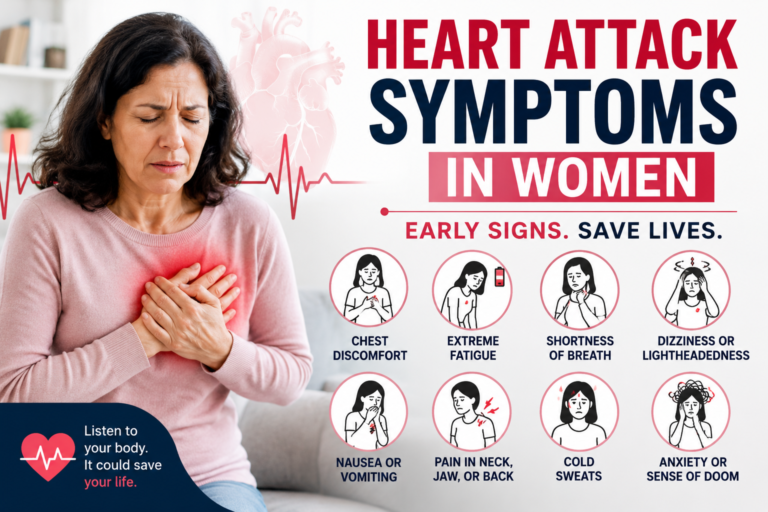
Recognizing the warning signs can save lives. Common symptoms include:
- Severe chest pain or pressure
- Pain spreading to the arms, neck, jaw, or back
- Shortness of breath
- Cold sweats
- Dizziness or lightheadedness
- Nausea or vomiting
- Extreme fatigue
Some individuals, especially women and people with diabetes, may experience atypical symptoms that are less obvious.
Life Expectancy After a Widowmaker Heart Attack
Life expectancy after a widowmaker heart attack varies significantly from person to person. Some individuals live for decades after recovery, while others may face ongoing heart complications.
Factors influencing life expectancy include:
- Speed of emergency treatment
- Extent of heart muscle damage
- Age at the time of the heart attack
- Presence of chronic conditions
- Lifestyle habits after recovery
- Adherence to medications
A patient who receives immediate treatment and adopts a heart-healthy lifestyle may enjoy a near-normal life expectancy.
Survival Rates After a Widowmaker Heart Attack
Survival rates have improved considerably over the past few decades. Emergency procedures such as angioplasty and stenting can quickly restore blood flow and reduce heart damage.
Patients who arrive at the hospital within the first few hours of symptom onset generally have better outcomes than those who delay seeking medical attention.
Long-term survival depends heavily on managing cardiovascular risk factors and maintaining regular medical follow-up.
Factors That Affect Long-Term Survival
Age
Younger patients often recover more effectively because their hearts may have greater healing capacity and fewer underlying health problems.
Heart Damage
The amount of damage to the heart muscle is one of the strongest predictors of long-term survival. Less damage generally means better heart function and a longer life expectancy.
Existing Medical Conditions
Conditions such as diabetes, high blood pressure, obesity, and kidney disease can negatively impact recovery and increase future cardiovascular risk.
Smoking
Smoking significantly increases the likelihood of future heart attacks and cardiovascular complications.
Physical Activity
Regular exercise helps improve heart function, circulation, and overall cardiovascular health.
Can You Live a Normal Life After a Widowmaker Heart Attack?
Yes. Many survivors return to work, travel, exercise, and enjoy normal daily activities. Recovery may take several weeks or months, but long-term outcomes can be excellent with proper medical care and lifestyle modifications.
Cardiac rehabilitation programs often play an important role in helping patients regain strength and confidence after a heart attack.
Recovery Timeline
First Few Days
Patients are closely monitored in the hospital. Doctors assess heart function and stabilize the condition.
First Month
Most patients begin light activities and follow a structured recovery plan. Medications are adjusted as needed.
Three to Six Months
Many individuals regain much of their physical strength and can resume normal daily routines.
One Year and Beyond
Long-term success depends on maintaining healthy habits and attending regular medical checkups.
Lifestyle Changes That Improve Life Expectancy
Follow a Heart-Healthy Diet
A balanced diet should include:
- Fruits and vegetables
- Whole grains
- Lean proteins
- Healthy fats
- Limited sodium and processed foods
Exercise Regularly
Regular physical activity strengthens the heart and improves circulation. Always follow your doctor’s recommendations regarding exercise intensity.
Maintain a Healthy Weight
Weight management reduces stress on the cardiovascular system and lowers the risk of future heart problems.
Manage Stress
Chronic stress can contribute to high blood pressure and heart disease. Techniques such as meditation, deep breathing, and yoga may help.
Get Enough Sleep
Quality sleep supports overall heart health and recovery.
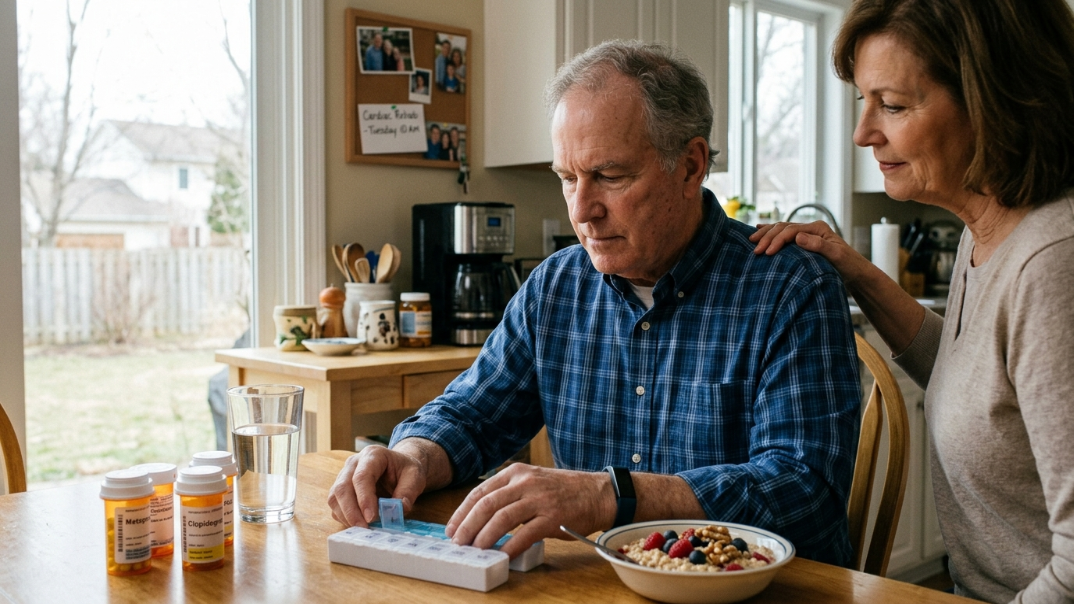
Medications After a Widowmaker Heart Attack
Many patients are prescribed medications such as:
- Blood thinners
- Cholesterol-lowering drugs
- Beta blockers
- ACE inhibitors
- Medications to control blood pressure
Taking medications exactly as prescribed is crucial for preventing future cardiac events.
Warning Signs of Future Heart Problems
Seek immediate medical attention if you experience:
- Chest discomfort
- Unexplained shortness of breath
- Irregular heartbeat
- Severe fatigue
- Swelling in the legs or feet
- Dizziness or fainting
Early intervention can prevent serious complications.
Emotional Recovery After a Heart Attack
The emotional impact of a widowmaker heart attack can be significant. Many survivors experience anxiety, depression, or fear about their future health.
Support groups, counseling, family support, and cardiac rehabilitation programs can help patients cope with emotional challenges and maintain a positive outlook.
Conclusion
A widowmaker heart attack is a serious medical emergency, but it is not necessarily a life-ending event. Thanks to advances in cardiovascular treatment, many survivors enjoy long and fulfilling lives after recovery. Life expectancy after a widowmaker heart attack depends on factors such as treatment speed, heart damage, age, overall health, and lifestyle choices.
By following medical advice, taking prescribed medications, exercising regularly, eating a healthy diet, and managing risk factors, survivors can significantly improve both their quality of life and long-term survival. The journey to recovery requires commitment, but many people successfully return to active and meaningful lives after experiencing this type of heart attack.
Frequently Asked Questions
How long can someone live after a widowmaker heart attack?
Many people live 10, 20, or even 30 years or more after a widowmaker heart attack, especially when treatment is received quickly and healthy lifestyle changes are maintained.
Is a widowmaker heart attack always fatal?
No. Although it is extremely dangerous, modern emergency treatment has significantly improved survival rates.
Can the heart fully recover after a widowmaker heart attack?
Some patients experience substantial recovery, while others may have permanent heart muscle damage. Recovery depends on the severity of the attack and treatment timing.
What is the biggest factor affecting life expectancy after a widowmaker heart attack?
The amount of heart muscle damage and how quickly blood flow was restored are among the most important factors.
Can exercise help after a widowmaker heart attack?
Yes. Under medical supervision, regular exercise can improve heart health, strengthen the cardiovascular system, and reduce future risk.