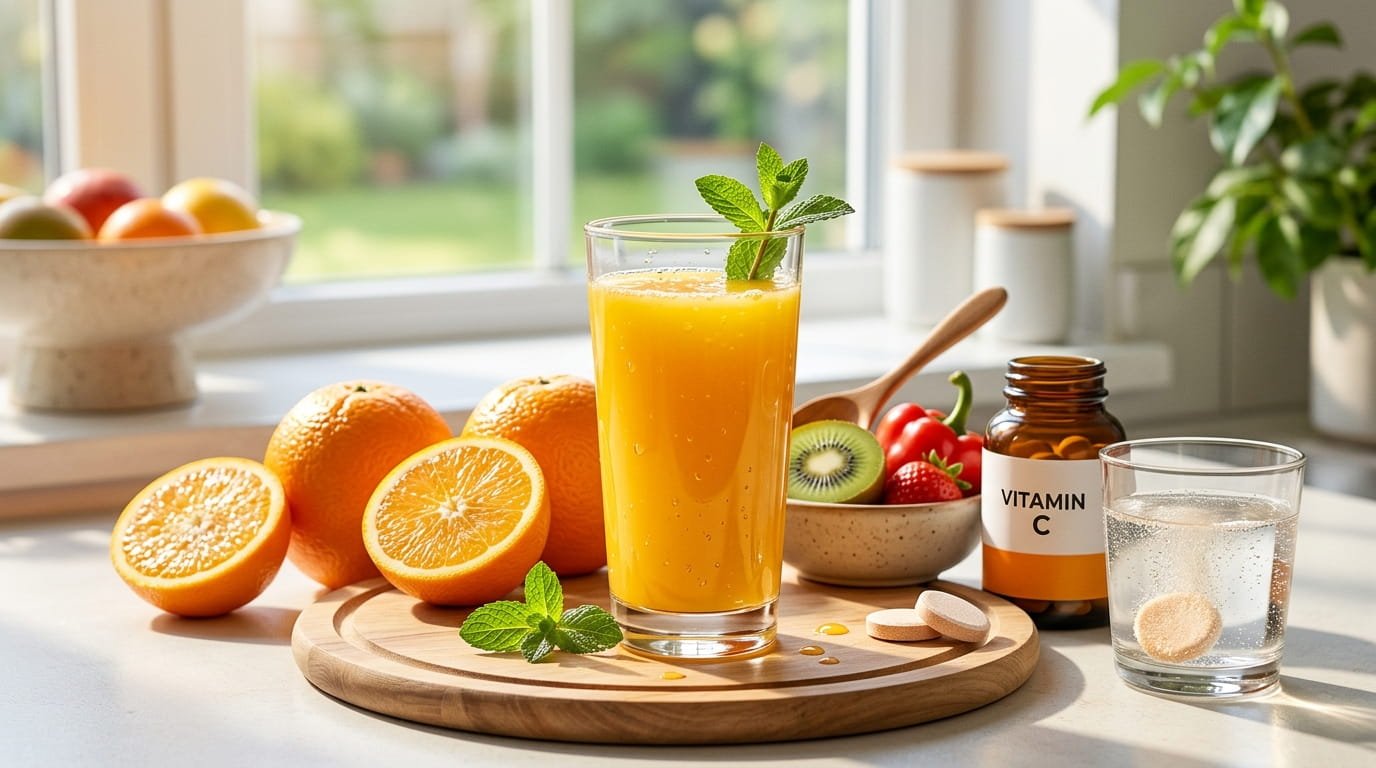
Vitamin C: The Ultimate Comprehensive Guide to Human Health, Diet, Immunity, and Advanced Topical Skincare
In the modern landscape of health, nutrition, and dermatological science, few molecules have achieved the legendary status of vitamin c. Walk down any pharmacy aisle, browse any skincare boutique, or read any dietary blueprint, and you will inevitably confront this powerhouse ingredient. But when we look past the marketing buzzwords and eye-catching product packaging, what are the true physiological mechanisms at play? What is vitamin c, and fundamentally, what is vitamin c good for?
Whether you are a professional content creator building an authoritative digital asset, a wellness enthusiast optimizing your daily supplement stack, or a skincare aficionado searching for the absolute best vitamin c serum to transform a dull complexion, this exhaustive, multi-chapter guide leaves no stone unturned. We will bridge the gap between internal systemic biology and topical cosmetic science, analyzing everything from advanced cellular mechanics to an exhaustive, side-by-side comparison of the world’s most sought-after facial serums.
The Molecular Architecture of Vitamin C – What Does It Do?
To truly appreciate the vital nature of this nutrient, we must first establish an exact definition: what is vitamin c? Chemically classified as L-ascorbic acid (and recognized globally in Spanish-speaking markets and formulations as vitamina c), this compound is a water-soluble micronutrient essential for survival. Unlike the vast majority of mammals, higher primates—including humans—lack the functional hepatic enzyme (L-gulonolactone oxidase) required to synthesize ascorbic acid endogenously from glucose. Consequently, we are evolutionary anomalies completely dependent on external intake. Because it is water-soluble, the human body cannot store it in adipose tissue for long-term reserves; any excess is rapidly excreted through the renal system. This makes consistent, daily dietary acquisition non-negotiable.
What Does Vitamin C Do inside the Human Body?
When looking at the biological landscape to answer what does vitamin c do or for what is vitamin c good, we find that it operates primarily as an electron donor. This seemingly simple chemical property makes it an incredibly potent reducing agent and a mandatory co-enzyme for multiple enzymatic reactions throughout the body.
[Free Radicals / Oxidative Stress] <--- Blocked By --- [Vitamin C / Electron Donor]
                                                            │
                                             ┌──────────────┴──────────────┐
                                             ▼                             ▼
                              [Collagen Gene Expression]      [Leukocyte Hyper-Activation]
                                     (Skin & Joints)                (Immune Defense)
- Enzymatic Hydroxylation of Collagen: Vitamin C serves as an indispensable cofactor for the enzymes prolyl hydroxylase and lysyl hydroxylase. These specific enzymes are directly responsible for stabilizing the triple-helix structure of collagen molecules. Without a steady supply, collagen synthesis stalls, leading to a structural collapse of blood vessels, skin, bone matrices, and connective tissues.
- Intracellular Antioxidant Defense: As a premier water-soluble antioxidant, it roams cellular fluid, neutralizing reactive oxygen species (ROS) and free radicals generated by normal metabolic processes, ionizing radiation, and environmental pollutants.
- Synergistic Regeneration of Vitamin E: In a beautiful display of biological teamwork, after Vitamin E fulfills its role protecting lipid membranes from oxidation, Vitamin C donates an electron to regenerate the spent Vitamin E back into its active, protective state.
- Catecholamine Synthesis: The synthesis of vital neurotransmitters like norepinephrine requires ascorbic acid as a cofactor for the enzyme dopamine beta-hydroxylase, directly tying systemic vitamin status to neurological and stress responses.
Explaining the Core Benefits of Vitamin C
An objective review of the benefits of vitamin c and vitamin c and benefits reveals an expansive impact on overall human vitality. Beyond basic survival, maintaining optimal tissue saturation of ascorbic acid offers profound preventive benefits:
- Cardiovascular Endothelial Protection: It enhances the biological availability of nitric oxide, a compound critical for smooth muscle relaxation, arterial vasodilation, and the prevention of chronic hypertension.
- Enhanced Non-Heme Iron Absorption: Plant-based iron (non-heme) is notoriously difficult for the human gastrointestinal tract to absorb. Vitamin C chemically reduces ferric iron ($Fe^{3+}$) to ferrous iron ($Fe^{2+}$), a form that is easily absorbed by the mucosal cells of the duodenum, effectively preventing iron-deficiency anemia.
- Mitigation of Chronic Systemic Inflammation: By down-regulating pro-inflammatory cytokines, optimal ascorbic acid concentrations keep cellular aging and baseline inflammation in check.
A question that frequently arises in medical literature is: does vitamin c help with colds? For decades, a common misconception persisted that massive doses could entirely prevent the onset of the common cold. Modern clinical meta-analyses have clarified this reality: while routine supplementation does not significantly reduce the overall incidence of colds in the general population, it consistently and reliably reduces cold duration by 8% to 14% in adults and up to 18% in children, while also minimizing symptom severity. For individuals exposed to short periods of extreme physical stress (such as marathon runners or soldiers in sub-zero environments), regular intake can cut the risk of developing a cold in half.
Furthermore, consumers frequently ask: does vitamin c give you energy? To answer this directly: ascorbic acid does not contain calories and does not act as a nervous system stimulant like caffeine. However, because it is an absolute requirement for carnitine synthesis—the molecular shuttle that transports fatty acids into mitochondria to be burned for cellular energy (ATP)—a deficiency manifests as profound, crushing lethargy. By reversing this cellular logjam and maximizing iron absorption, restoring optimal vitamin levels can dramatically alleviate fatigue, making you feel revitalized. Ultimately, a deep dive into vitamin c what does it do highlights a molecule that acts as a quiet, vital engine behind basic human cellular performance.
The Dietary Matrix – Foods Rich in Vitamin C
Achieving systemic health begins with optimizing what passes through your digestive tract. Rather than relying solely on processed alternatives, integrating whole, bioavailable vitamin c food rich ingredients into your daily meal planning creates a diverse nutritional foundation that supports optimal health.
High Vitamin C Containing Foods
When cataloging foods high in vitamin c and foods rich in vitamin c, historical consensus point directly toward citrus orchards. It is a fundamental nutritional truth that citrus fruits are rich in vitamin c and citrus fruits rich in vitamin c. The global popularity of the orange fruit vitamin c profile makes it an easily accessible dietary staple. A single medium-sized orange yields approximately 70 milligrams of pure ascorbic acid, fulfilling a significant portion of an adult’s baseline daily requirement.
However, limiting your dietary strategy exclusively to oranges misses out on a wide variety of nutritional benefits. To build an optimal, highly bioavailable diet, explore this expanded matrix of foods with vitamin c and foods with good source of vitamin c:
| Food Category | Specific Food Item | Average Vitamin C Content (per 100g) | Additional Nutritional Synergy |
| Exotic Fruits | Kakadu Plum | 1,000 – 5,300 mg | Exceptional polyphenol profile, intense antioxidant activity. |
| Exotic Fruits | Acerola Cherry | 1,600 mg | Rich in anthocyanins, supporting capillary strength. |
| Common Fruits | Guava (Pink/White) | 228 mg | High dietary fiber, low glycemic load, rich in vitamin A. |
| Common Fruits | Kiwi Fruit (Gold/Green) | 92 – 161 mg | Contains actinidin enzymes for superior protein digestion. |
| Common Fruits | Strawberries | 58 mg | Abundant in ellagic acid and manganese. |
| Common Vegetables | Yellow Bell Peppers | 183 mg | Packed with zeaxanthin for macular eye protection. |
| Common Vegetables | Dark Leafy Greens (Kale) | 120 mg | High in non-heme iron, maximizing absorption synergy. |
| Common Vegetables | Broccoli | 89 mg | Contains sulforaphane, a powerful cellular detoxifier. |
When searching for the vitamin c highest food, looking beyond the grocery store reveals options like the Australian Kakadu plum or the South American Acerola cherry, which outperform traditional citrus fruits by orders of magnitude. However, for practical daily meal prep, structuring a diet filled with bell peppers, papayas, and cruciferous vegetables provides a steady supply of nutrients. Consistently stocking your kitchen with these foods filled with vitamin c completely eliminates the need to wonder what has vitamin c, while ensuring your body receives a diverse spectrum of vitamin c fruits and foods.
[Vitamin C Content per 100g Comparison]
============================================================
Orange:        ███ 70mg
Kiwi:          ██████ 161mg
Yellow Pepper: ████████████ 183mg
Guava:         ███████████████ 228mg
Acerola Cherry:██████████████████████████████████████ 1600mg
============================================================
It is also important to note that ascorbic acid is highly sensitive to heat, light, and oxygen. Prolonged boiling can destroy up to 50% or more of the active vitamin content in green vegetables due to leaching into the cooking water. To preserve maximum nutritional value, choose raw preparations, quick steaming, or light stir-frying.
Clinical Logistics – Dosage, Deficiency, and Supplement Science
Navigating the landscape of modern supplementation requires an objective, evidence-based approach to human physiology. We must look closely at exact dosages, trace the warning signs of deficiency, and carefully evaluate the wide variety of commercial delivery methods available today.
The Math of Daily Intake
When considering how much vitamin c per day is appropriate, you must separate the minimum amount needed to prevent acute disease from the optimal amount needed to maximize cellular tissue health. The absolute baseline Recommended Dietary Allowance (RDA) established by global health authorities is clear:
- Adult Men: 90 milligrams per day.
- Adult Women: 75 milligrams per day (specifically addressing how much vitamin c per day for a woman).
- Pregnant / Lactating Individuals: 85 to 120 milligrams per day.
- Cigarette Smokers: Requires an additional 35 milligrams per day above standard baselines, because the profound oxidative stress of tobacco smoke rapidly depletes the body’s internal ascorbic acid stores.
Chronic Vitamin C Deficiency Symptoms
When a long-term vitamin c shortage occurs, the structural integrity of the human body slowly begins to break down. This clinical state of severe vitamin c deficiency is known historically as scurvy. While full-blown scurvy is less common in developed nations today, sub-clinical deficiency remains common among individuals with limited food access, chronic alcohol dependency, or restricted diets.
Recognizing early vitamin c deficiency symptoms can prevent more serious health issues:
- Perifollicular Hemorrhage: Small, purple-red spots appearing around hair follicles, particularly on the lower limbs, as fragile capillary walls begin to rupture.
- Corkscrew Hairs: Hairs growing in coiled, fragmented patterns due to damaged keratin matrices.
- Bleeding Gums and Dental Loosening: The periodontal ligament, which holds teeth securely within the alveolar bone, breaks down rapidly when collagen synthesis stops.
- Sustained Joint Pain (Arthralgia): Bleeding within the joint capsules causes intense discomfort and visible swelling.
- Impaired Wound Healing: Old scars can open up and new cuts may fail to close due to the lack of structural collagen scaffolding.
Evaluating the Best Vitamin C Supplement Options
When dietary choices do not provide sufficient nutrients, using high-quality vitamin c supplements and targeted vitamin c pills can help maintain optimal health. This is particularly valuable when configuring specialized vitamin c supplements for immune system support during seasonal transitions or high-stress periods.
Today’s consumer market features a wide variety of specialized formulas:
1. Standard Oral Solid Dosages
Classic vitamin c tablets, time-release capsules, and chewable tablets with vitamin c typically utilize synthetic ascorbic acid. This form is chemically identical to the molecule found in fresh fruit and is highly bioavailable. For individuals who prefer an easy-to-consume option, vitamin c gummies and gummy c vitamin options provide a practical solution, though they often include added sugars and stabilizers. Widely used options include cvs health collagen + vitamin c tablets and nature’s bounty vitamin c plus zinc quick dissolve tablets, which blend core immune support minerals with daily vitamins.
2. Liquids, Powders, and Effervescent Mixes
For fast absorption or those who dislike swallowing large pills, options like vitamin c powder, powder c vitamin, or concentrated liquid vitamin c offer excellent flexibility for adjustable dosing. When traveling or balancing a busy lifestyle, single-serve vitamin c packets and convenient pack vitamin c options can be easily mixed into water.
Products like the popular emergen-c super orange vitamin c drink mix and emergen-c vitamin c raspberry provide distinct flavor profiles alongside essential minerals. Additionally, specialized formulations such as airborne vitamin c and therapeutic emergency vitamin c use effervescent delivery systems to quickly release high doses of nutrients.
3. Advanced Bio-Delivery Formulations
For individuals prone to digestive sensitivity from high doses of standard ascorbic acid, the supplement industry has developed advanced alternative delivery methods:
- Liposomal Vitamin C: Also labeled as c liposomal vitamin, this technology encapsulates the ascorbic acid within a protective phospholipid bilayer sphere. This structure closely mirrors human cell membranes, shielding the vitamin from harsh stomach acids and allowing it to bypass standard, saturable glucose transporters ($SVCT1$). This leads to significantly higher cellular absorption rates without gastrointestinal irritation.
- Buffered Vitamin C: Formulas like buffer c vitamin bind ascorbic acid to mineral salts like sodium, calcium, or magnesium ascorbate. This lowers the acidity of the compound, creating a formulation with a neutral $pH$ that is highly stable and gentle on the stomach lining.
- Comprehensive Complexes: Many formulas combine standalone nutrients into broader blends, such as a vitamin a b c d e supplement for full-spectrum health or a targeted vitamin b c d formulation to address specific nutritional needs.
Clinical Caution: Upper Limits and Toxicity
A common question is: can you overdose on vitamin c, can you take too much vitamin c, or how much vitamin c is too much? Because it is water-soluble, excess amounts are flushed out by the kidneys rather than building up to toxic levels in tissue.
However, the strict Tolerable Upper Intake Level (UL) is set at 2,000 milligrams per day for adults. Consuming too much vitamin c beyond this threshold can overwhelm the absorption capacity of the intestines. The unabsorbed ascorbic acid draws water into the colon through osmosis, which can lead to gastrointestinal distress, abdominal cramps, and diarrhea. Furthermore, individuals predisposed to kidney stones should avoid high doses, as excess vitamin C is metabolized into oxalates, which can increase the risk of calcium oxalate stone formation.
Topical Esthetics – Transforming Skin with Vitamin C
Moving from internal health to topical skincare introduces a separate branch of research. In modern cosmetics, using vitamin c for skin health is considered a foundational practice for aging well and maintaining skin health. If you look closely at what does vitamin c do for your skin, it functions as an essential, multi-tasking molecule that helps preserve a youthful appearance.
[Melanocyte (Pigment Cell)] ---> Tyrosinase Enzyme ---> Melanin (Dark Spots)
                                     ▲
                                     │ (Inhibited & Blocked By)
                                     │
                             [Vitamin C Topical]
                                     │
                                     ▼
                        [Stimulates Fibroblasts] ---> Increases Collagen Production
The Biology of Topical Ascorbic Acid
Topical application is vital because the skin is the last organ to receive nutrients from dietary intake. Even when consuming high oral doses, the body maintains strict control over blood levels, meaning only a tiny fraction reaches the outermost layer of the skin (the epidermis). Applying a targeted vitamin c serum or dedicated serum facial vitamin c (known as vitamina c para la cara in international markets) bypasses this internal control system, raising local skin concentrations to over 20 times normal levels.
Once absorbed into the skin, it delivers several key benefits:
- Inhibition of Melanin Production: It blocks the tyrosinase enzyme, which is responsible for turning amino acids into pigment. By slowing down this path, it fades dark spots, reduces dark spots from sun damage, and addresses hyperpigmentation without lightening normal skin color.
- Scavenging Free Radicals from UV Rays: While it is not a replacement for sunscreen, applying it under SPF creates a powerful defense line. It neutralizes the free radicals triggered by UV rays and pollution that escape sunscreen filters, helping prevent sun damage and skin aging.
- Boosting Collagen Production: It sends direct signals to skin cells (fibroblasts) to generate new collagen, which plumps the skin’s structure from within, smoothing out fine lines and wrinkles.
Defining the Perfect Serum Formula
So, what is a vitamin c serum? It is a highly concentrated, lightweight fluid designed to deliver active antioxidants deep into the skin’s layers. However, creating a stable formula is a major challenge in cosmetic chemistry. Pure Vitamin C (L-Ascorbic Acid) is highly unstable; when exposed to air, light, or water, it oxidizes rapidly into dehydroascorbic acid, turning the serum a dark amber brown and rendering it ineffective.
To ensure your serum delivers real results, pay close attention to these formulation details:
- Molecular Form: Pure L-Ascorbic Acid is the most potent and thoroughly researched form, but it requires an acidic $pH$ (below $3.5$) to penetrate the skin barrier. For sensitive skin types, gentler derivatives like Sodium Ascorbyl Phosphate (SAP), Magnesium Ascorbyl Phosphate (MAP), or Tetrahexyldecyl Ascorbate (THD) offer improved stability and less irritation at a neutral $pH$.
- Concentration Levels: The ideal concentration ranges between 10% and 20%. Anything below 10% may not deliver noticeable results, while going above 20% can cause skin irritation without offering any added benefit.
- Ingredient Synergies: The classic combination of Vitamin C, Vitamin E, and Ferulic Acid is highly effective. Ferulic acid doubles the stability of the formula and increases its sun-protection benefits significantly.
Synergistic Ingredient Combinations
The relationship between vitamin c and vitamin interactions extends naturally into advanced skincare routines. Understanding what is vitamin a and c good for and what do vitamin a and c do allows you to build a powerful anti-aging strategy.
While Vitamin C protects against pollution and brightens skin during the day, Vitamin A (Retinol) works at night to repair skin structure and speed up cell turnover. Combining vitamin c and vitamin a for skin health balances daytime defense with nighttime repair, offering an effective way to address fine lines, uneven texture, and loss of firmness safely.
Complete Market Comparison – Finding the Best Vitamin C Serums
Choosing the best vitamin c serum or the best vitamin c serum for face requires looking closely at ingredient lists, $pH$ levels, and packaging designs. The cosmetic industry offers a wide variety of formulas tailored to different budgets and skin types.
To help you find the right fit, here is a detailed breakdown of the world’s leading vitamin c serum formulations:
1. The Luxury and Clinical Benchmarks
SkinCeuticals Vitamin C (C E Ferulic)
- Formulation Profile: 15% Pure L-Ascorbic Acid, 1% Alpha-Tocopherol (Vitamin E), and 0.5% Ferulic Acid.
- Pros: Considered the gold standard in dermatology, this formula is backed by extensive clinical research and multiple patents. It delivers exceptional stability and high antioxidant protection.
- Cons: It comes with a premium luxury price tag, and features a distinct, pungent scent during application.
- Best For: Normal, dry, and aging skin types where budget is not a primary concern.
Obagi Vitamin C (Professional-C Serum)
- Formulation Profile: Uses L-Ascorbic Acid in concentrations ranging from 10% to 20%.
- Pros: Known for deep skin penetration, this professional-grade formula is highly effective for correcting uneven skin tone and sun damage.
- Cons: The formula contains alcohol, which can cause dryness if used incorrectly.
- Best For: Oily or resilient skin types dealing with stubborn dark spots. Often labeled as obagi vitamin c or obagi c vitamin, it remains a favorite in medical spas.
2. Mid-Tier and Clinically Focused Formulas
Timeless Vitamin C Serum
- Formulation Profile: 20% L-Ascorbic Acid combined with Vitamin E and Ferulic Acid.
- Pros: This highly popular formula, known as timeless vitamin c or the timeless vitamin c serum, delivers excellent clinical results at a fair price. It features a lightweight, water-like texture and is packaged in an airless pump to prevent oxidation.
- Cons: The high 20% concentration may cause mild tingling or redness on very sensitive skin.
- Best For: Experienced skincare users looking for a potent, fast-absorbing formula that offers great value.
La Roche-Posay Vitamin C Serum
- Formulation Profile: 10% Pure Vitamin C paired with Salicylic Acid and Neurosensine.
- Pros: Formulated at a gentler $pH$ specifically for sensitive skin, la roche posay vitamin c and the la roche posay vitamin c serum help refine skin texture while remaining gentle on the skin barrier.
- Cons: It features a richer, slightly heavier texture that may feel tacky to some users.
- Best For: Individuals with sensitive skin who want to address uneven texture without irritation.
CeraVe Skin Renewing Vitamin C Serum
- Formulation Profile: 10% Pure L-Ascorbic Acid enriched with 3 Essential Ceramides and Hyaluronic Acid.
- Pros: Sold in its signature cerave vitamin c serum – white & purple tube, this cerave vitamin c serum is excellent for dry skin. The protective tube prevents light and air from degrading the formula, while the ceramides keep the skin hydrated and protected.
- Cons: The thicker, lotion-like texture may not layer well under certain types of makeup.
- Best For: Dry, compromised, or sensitive skin types looking for an accessible pharmacy option.
3. Cult Favorites and Clean Beauty Innovators
Drunk Elephant C-Firma Fresh Day Serum
- Formulation Profile: 15% L-Ascorbic Acid blended with Ferulic Acid, Vitamin E, and Pumpkin Ferment Extract.
- Pros: This innovative drunk elephant vitamin c serum features a liquid-to-powder design where you mix the formula yourself before the first use. This ensures maximum freshness and prevents oxidation on store shelves.
- Cons: It has a rich, slightly sticky texture that takes time to absorb fully.
- Best For: Individuals looking for clean beauty formulations who prioritize ultimate product freshness.
Mad Hippie Vitamin C Serum
- Formulation Profile: Uses Sodium Ascorbyl Phosphate (SAP) blended with Konjac Root, Ferulic Acid, and Hyaluronic Acid.
- Pros: The mad hippie vitamin c serum is incredibly stable, resistance to turning brown from exposure to light and air, and is very gentle on the skin. SAP is also known to help manage acne-prone skin.
- Cons: Because it uses a gentle derivative, fading severe hyperpigmentation may take longer compared to pure L-ascorbic acid.
- Best For: Acne-prone, highly sensitive, or introductory skincare users.
Maelove The Glow Maker
- Formulation Profile: 15% L-Ascorbic Acid with Vitamin E, Ferulic Acid, and Botanical Extracts.
- Pros: This formula is widely praised as an excellent, affordable alternative to high-end luxury serums. maelove vitamin c offers a lightweight, watery consistency that absorbs almost instantly, leaving a clean finish.
- Cons: It sells out frequently due to high demand, making it hard to find consistently.
- Best For: Anyone looking for high-end formulation results at an accessible price point.
Naturium Vitamin C Complex Serum
- Formulation Profile: A specialized blend of pure L-Ascorbic Acid and encapsulated Vitamin C.
- Pros: naturium vitamin c offers excellent stability and deep hydration, layering beautifully with other skincare steps.
- Cons: The complex formulation can make it tricky to combine with other potent active ingredients.
- Best For: Users seeking an effective, modern formula that works well in multi-step routines.
4. Accessible and Everyday Options
The Ordinary Vitamin C Collection
- Formulation Profile: Offers multiple choices, from a 23% Suspension + HA Spheres to a pure 100% L-Ascorbic Acid Powder.
- Pros: the ordinary vitamin c range provides direct, unblended active ingredients at very affordable prices.
- Cons: The textures can be challenging; suspensions may feel gritty or oily, requiring careful application.
- Best For: Knowledgeable skincare users who prefer to customize their own routines.
TruSkin Vitamin C Serum
- Formulation Profile: Blends Vitamin C (SAP) with Botanical Hyaluronic Acid, Vitamin E, and Witch Hazel.
- Pros: A consistent top-seller online, truskin vitamin c serum features a soothing, gentle formula that hydrates the skin while offering reliable antioxidant support.
- Cons: The inclusion of witch hazel may not suit exceptionally dry or reactive skin types.
- Best For: Beginners looking for an easy-to-use, hydrating daily serum.
Vichy LiftActiv Vitamin C Serum
- Formulation Profile: 15% Pure Vitamin C combined with Pycnogenol and Hyaluronic Acid.
- Pros: vichy vitamin c and the concentrated vichy vitamin c serum ampoules provide a quick firming effect, making them excellent for brightening tired skin.
- Cons: Packaged in small volumes, requiring frequent repurchasing.
- Best For: Individuals looking to targeted seasonal brightness or an anti-fatigue boost.
Olay, RoC, e.l.f., Dr. Althea, & Findley Serums
- Olay Vitamin C: Formulated with Vitamin B3 (Niacinamide), olay vitamin c is excellent for gentle daily brightening and deep surface hydration.
- RoC Multi Correxion Serum: roc vitamin c serum focuses on clearing up dark spots and smoothing lines, making it a reliable clinical choice.
- e.l.f. Skin Vitamin C Serum: The budget-friendly elf vitamin c serum offers a light, watery texture that gives a quick dewiness without breaking the bank.
- Dr. Althea Vitamin C: Bringing Korean skincare design to the forefront, dr althea vitamin c focuses on gentle brightening and calming irritated skin.
- Findley Face Serum: The affordable findley brightening face serum with vitamin c offers a quick, accessible option for adding a touch of everyday brightness.
Summarizing Your Vitamin C Blueprint
| Clinical Focus | Primary Objective | Key Target Options / Ingredients |
| Systemic Health | Maximizing Immune Support & Muscle Repair | Focus on high vitamin c foods like guava, bell peppers, and citrus fruits. |
| Oral Supplementation | Bridging Dietary Gaps Safely | Use liposomal vitamin c or buffered tablets, keeping below the 2,000 mg daily limit. |
| Skincare Routine | Evening Skin Tone & Boosting Glow | Apply a stable best vitamin c serum for face containing 10% to 20% active ingredients under SPF every morning. |
Frequently Asked Questions (FAQs)
To wrap up this definitive guide, let’s address the most common inquiries regarding ascorbic acid, dietary habits, and skincare applications.
1. What does vitamin c do for your skin on a daily basis?
When applied topically every morning, it acts as a secondary shield against environmental stress. It neutralizes free radicals caused by UV light and pollution, prevents premature aging, stops dark spots from forming by inhibiting tyrosinase, and keeps your skin looking bright and refreshed.
2. Can you take too much vitamin c, and what happens if you do?
Yes, you can take too much. While it is a water-soluble vitamin and excess amounts are naturally flushed out through your urine, consuming more than the recommended upper limit of 2,000 mg per day can cause digestive discomfort. This can lead to issues like stomach cramps, nausea, and diarrhea due to osmotic pressure in your intestines.
3. What is a vitamin c serum, and how should I incorporate it?
It is a highly concentrated, lightweight skincare product designed to deliver active antioxidants directly into the skin. For the best results, apply a few drops to clean, dry skin every morning after cleansing and toning, but always follow it with a broad-spectrum sunscreen to maximize its protective benefits.
4. Which foods are considered the vitamin c highest food options?
While oranges are the most popular choice, exotic fruits like the Kakadu plum and Acerola cherry hold the highest concentration of the vitamin. For everyday meals, excellent high-yield options include guavas, yellow bell peppers, kiwis, strawberries, kale, and broccoli.
5. Does vitamin c help with colds or give you energy?
It does not prevent you from catching a cold, but regular intake has been shown to reduce the duration and severity of cold symptoms. It also doesn’t act as a direct stimulant to give you energy, but it helps fight fatigue by facilitating iron absorption and assisting in carnitine production, which is essential for cellular energy.
6. Can I use vitamin c and vitamin a for skin care at the same time?
Yes, but they should be used at different times of the day for maximum efficacy. Use your serum in the morning to protect your skin from daytime pollution and sun damage, and save Vitamin A (Retinol) for your nighttime routine to encourage cellular repair and smooth out wrinkles while you sleep.
Conclusion: Elevate Your Health and Skincare Routine
Whether you are looking back at classic pop culture references like the nostalgic hits of the vitamin c singer, or hitting a major milestone in your personal wellness journey like a meaningful vitamin c graduation, the widespread benefits of vitamin c and its extensive advantages are clear.
To keep your internal defenses strong and running efficiently, focus on consistently integrating high vitamin c foods and nutrient-dense vitamin c fruits and foods into your daily meal preparation. At the same time, you can give your face a healthy, youthful radiance by selecting a high-performing best vitamin c topical serum—such as the widely popular timeless vitamin c serum or a barrier-protecting cerave vitamin c serum—that fits your specific skin profile. By balancing smart internal nutrition with targeted external skincare, you can fully unlock the protective, bright, and restorative power of this essential molecule for your long-term health.